

A Unique Cultural Landscape
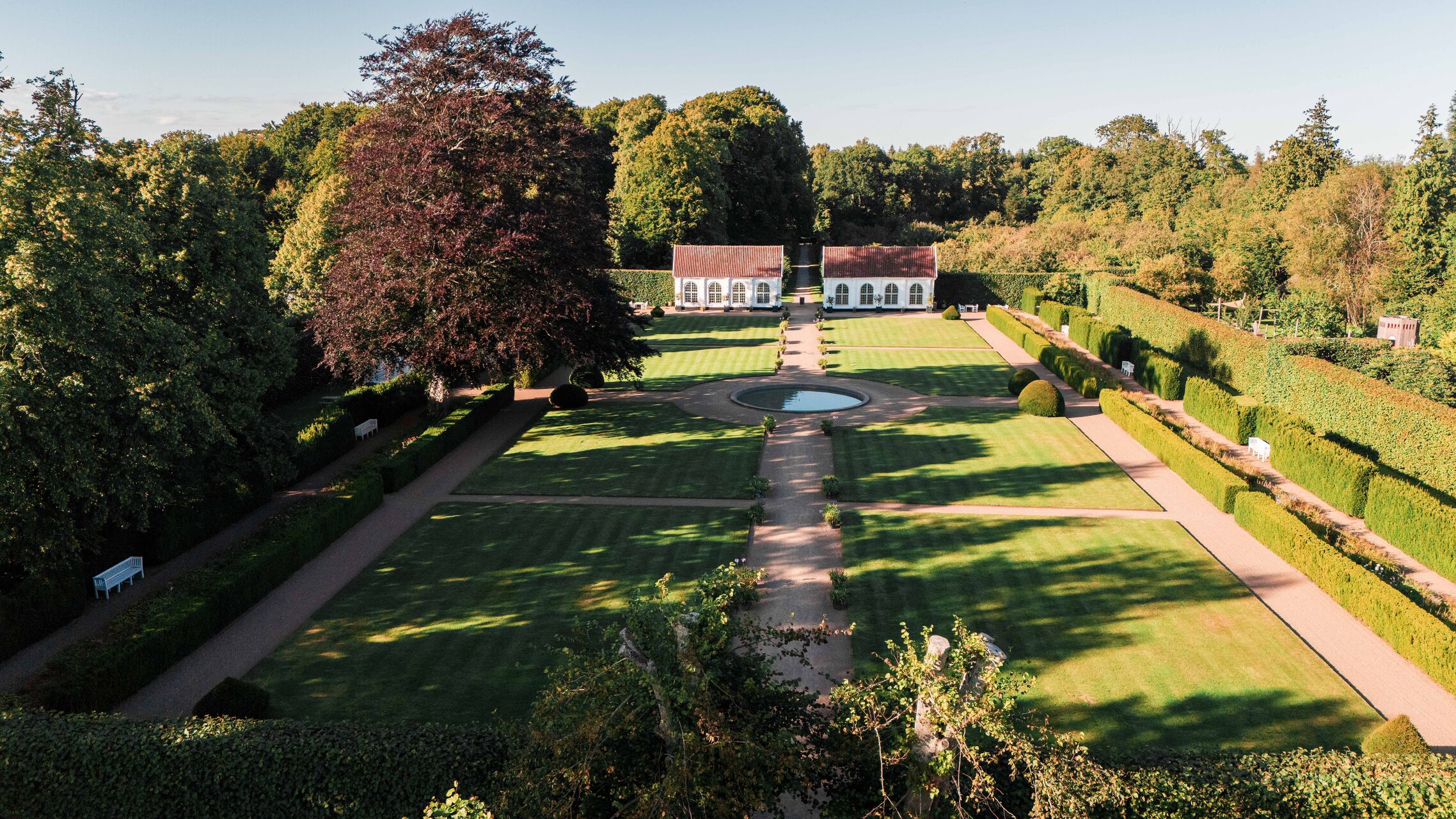
North of the main building lies the symmetrically designed Baroque garden. Behind the Baroque garden you find the apple orchard, greenhouse, and kitchen garden, which supply the manor kitchen with vegetables.
Southeast of the main building are the carp ponds, which held fish for cooking, as well as an ice storage house, which shows how ice was stored to keep food cool before the invention of the freezer.
Further east runs the Alling River, and beyond it lie the marshy meadows that in earlier times protected the manor from outside enemies.
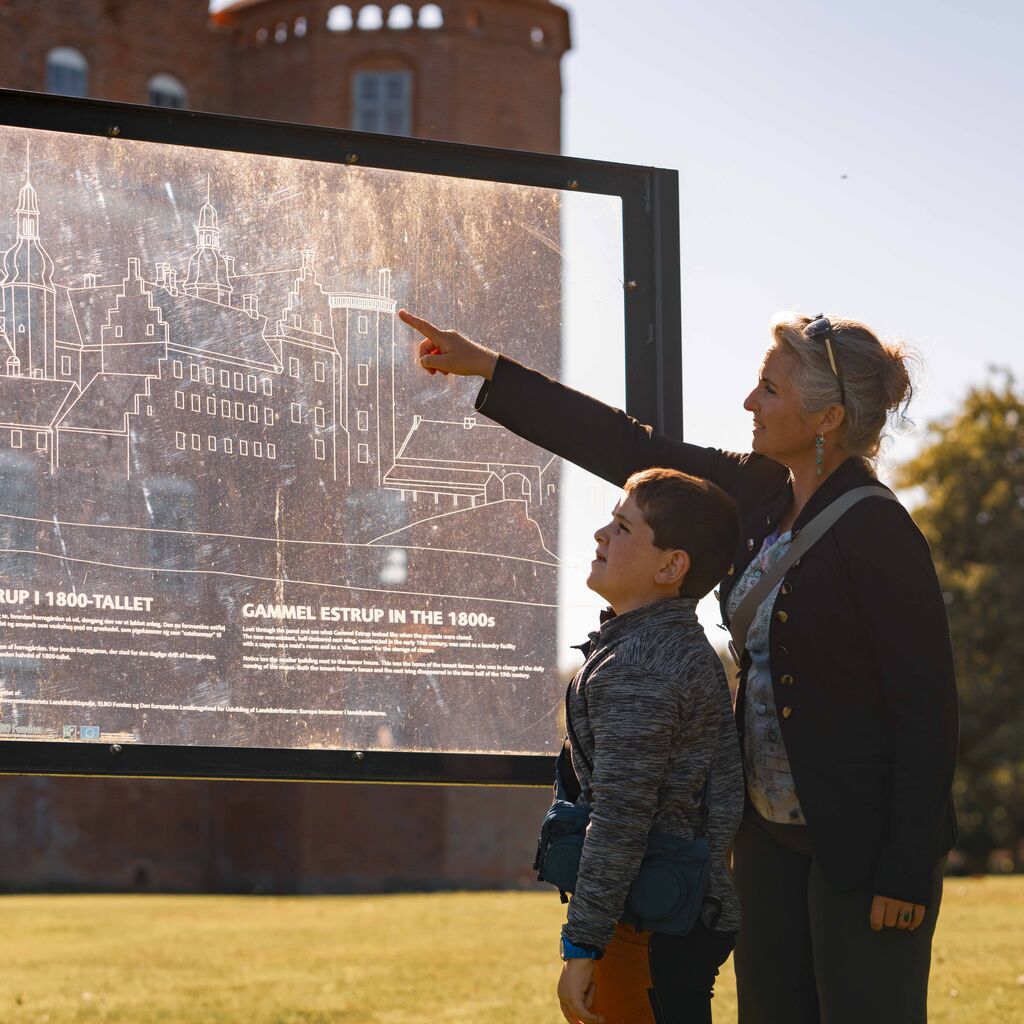
To the west, the manor is surrounded by double moats, and on the other side are Gammel Estrup’s farm buildings, which today house the Green Museum.
On the other side of the main road lie 'Helligbjerget' and the old manor forest with the Scheel family’s burial site and a small forester’s cottage. Here, visitors can see how the manor’s workers lived less than a hundred years ago.
Gardens & Cultural Landscape

The symmetrically designed Baroque garden was restored in 2003 according to 18th-century ideals and today also features beautiful perennial beds, clipped hedges, and the original 18th-century orangery buildings

The manor was self-sufficient, providing fruit and vegetables from the gardens, fish from the carp ponds, and game from the forest

Moats, farm buildings, burial site, workers’ houses – the nature around Gammel Estrup offers many traces of the manor’s long history
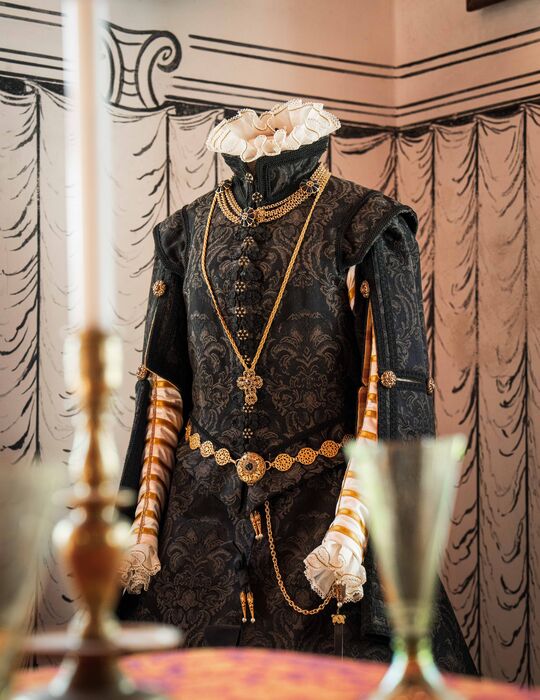
The Lord’s Manor
Renaissance nobleman Eske Brock's Parlour and manor Chapel
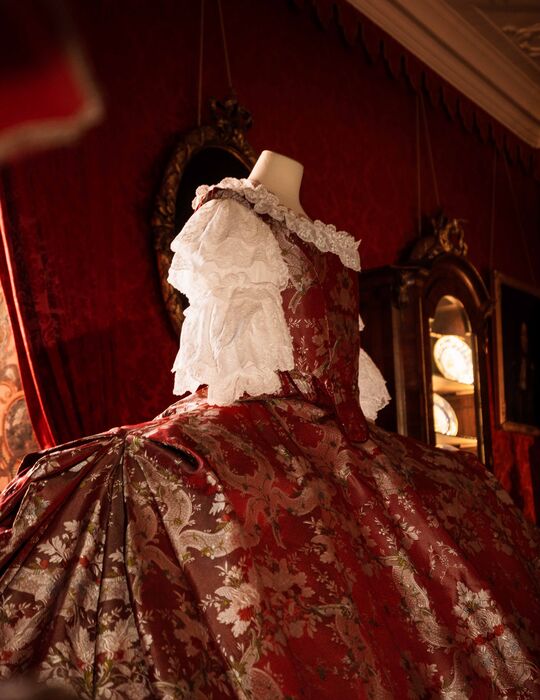
The Countess’s Elegant Rooms
The Countess's elegant Baroque interiors from the early 1700s
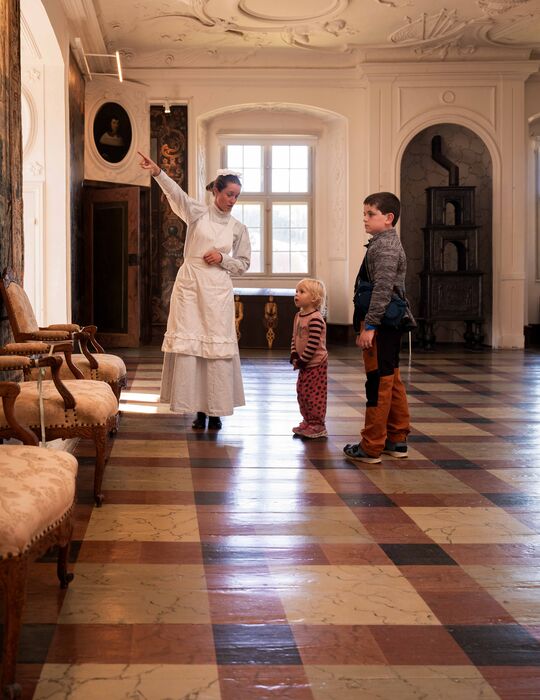
The Great Hall
The manor’s grand hall, which hosted large parties and celebrations
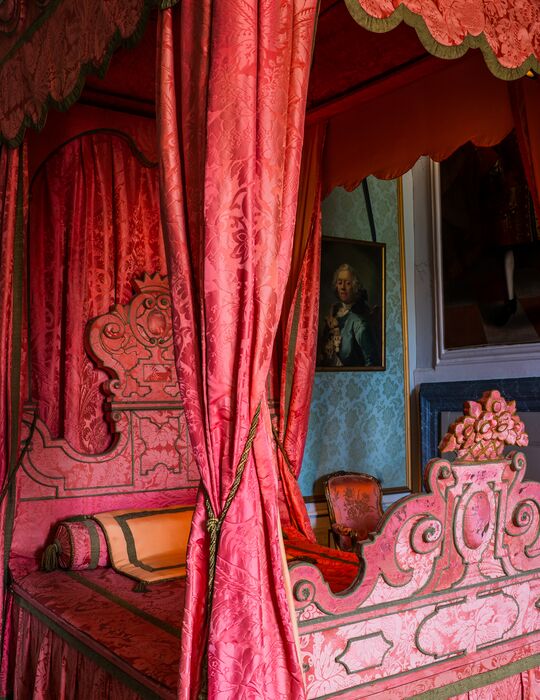
The Count’s Apartments
The Count's elegant rooms in cohesive Rococo style
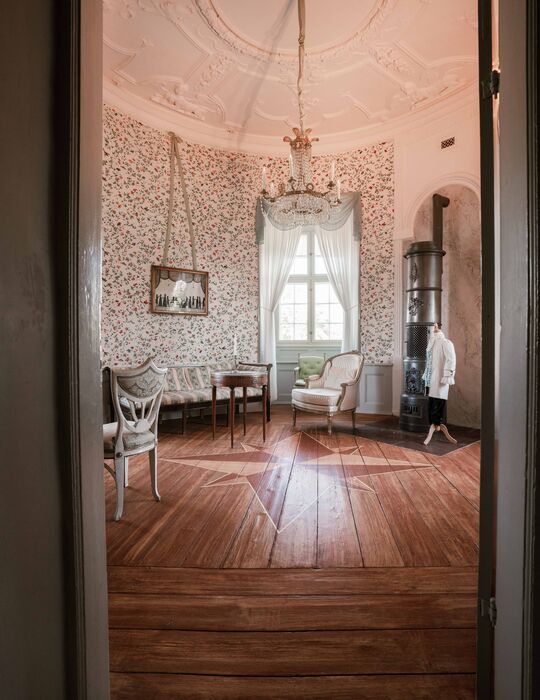
The Great Cabinet & The Count’s Roundel
Magnificent interiors from the late 18th century
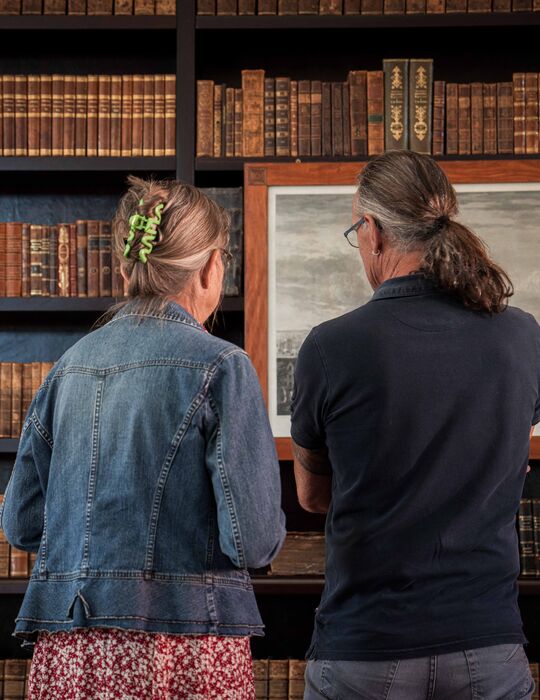
Rooms for Science & Pastimes
The Wild Count’s fabulous study and family living room
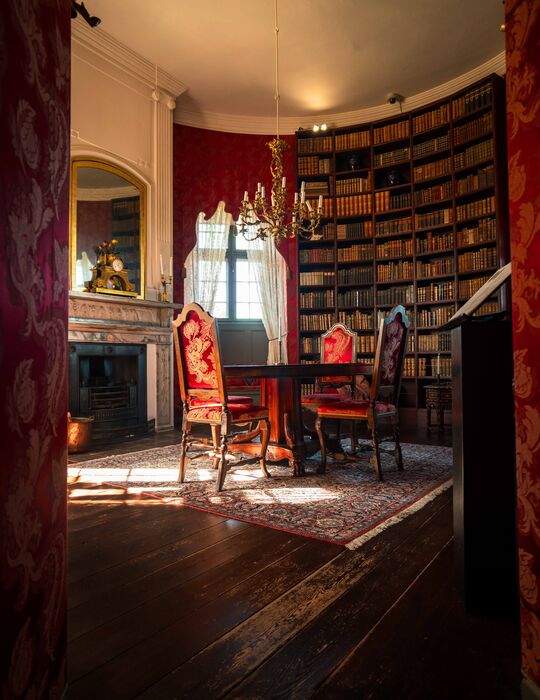
The Gentlemen’s Manor
Rooms where gentlemen relaxed with a fine cigar in the late 19th century
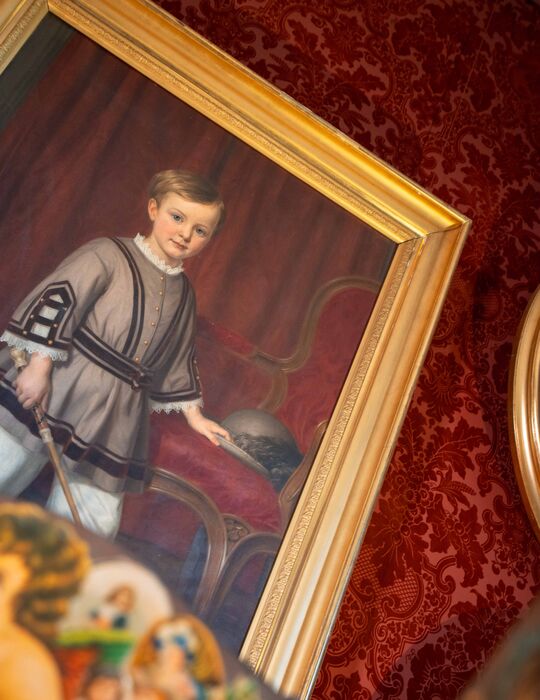
The Manor of Family & Private Life
The count’s family bedrooms and living spaces in the mid-19th century
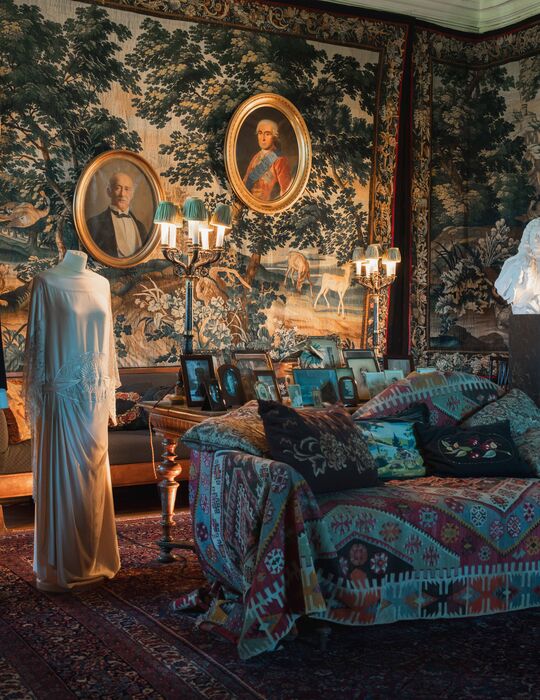
Modern Times
Old heirlooms side by side with modern conveniences in the 1920s
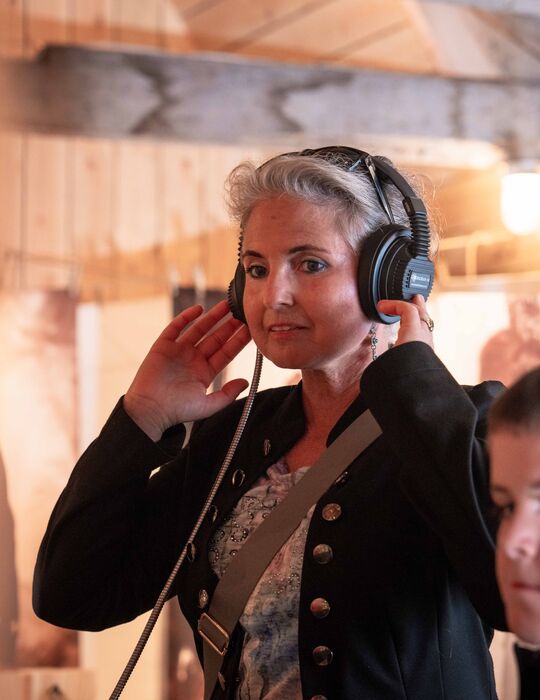
The Attic
The invisible world of the servants, drying loft and storage room
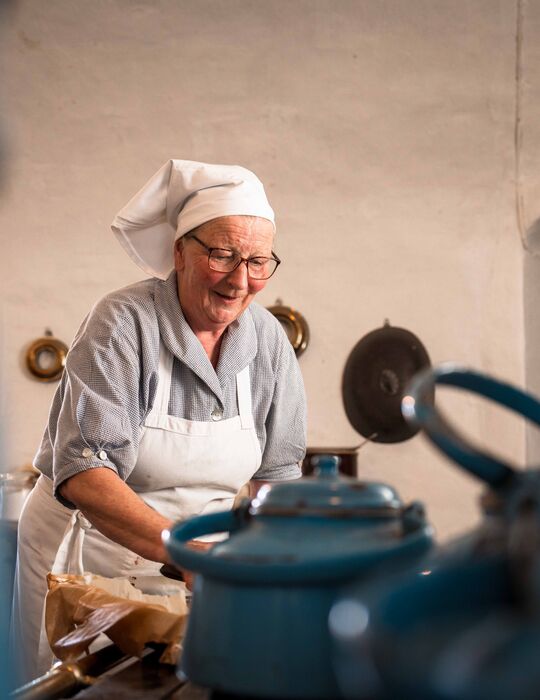
The servant’s domain
The manor kitchen and the servants’ quarters at the beginning of the 20th century
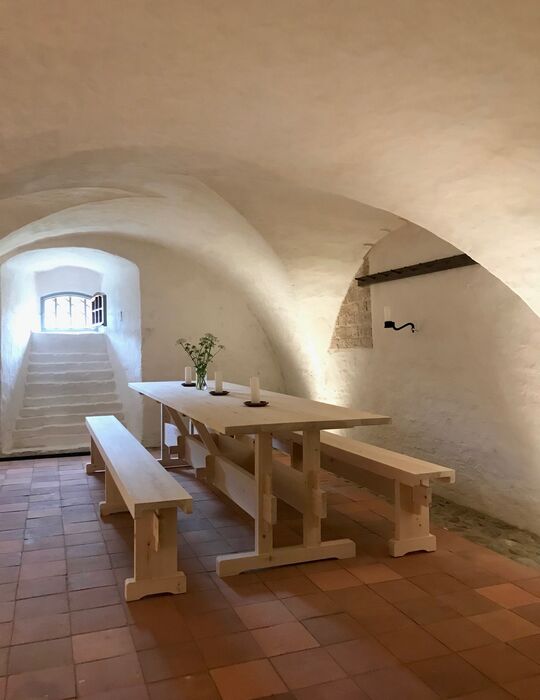
The cellar
Activity room and the servants’ hall
Kitchen Garden & Greenhouse
Utility gardens and the socalled 'vine and peach house'
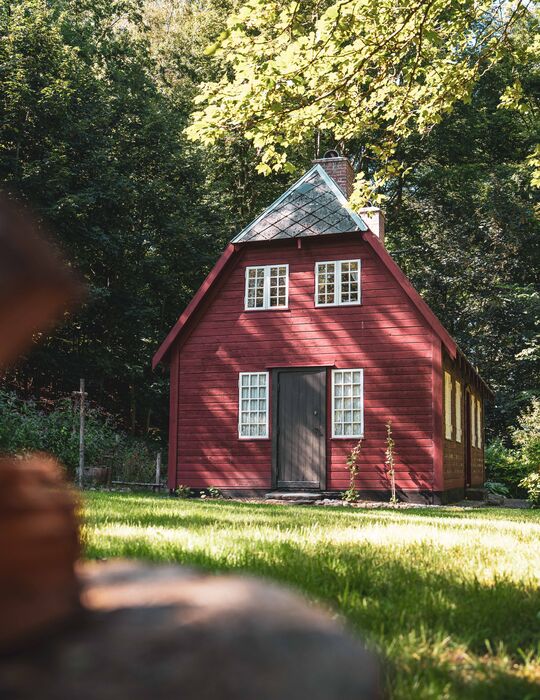
The Forester’s Cottage
Workers house, showing the lives of the forest workers in the 1930s
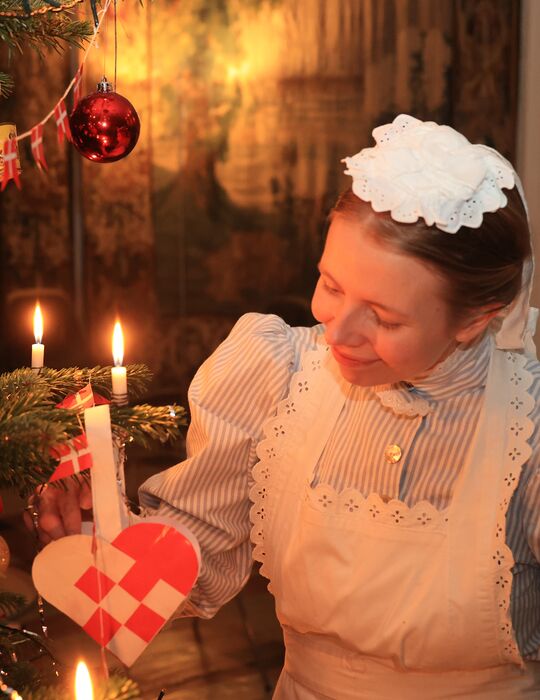
Christmas Upstairs & Downstairs
Experience Christmas at the Manor 100 Years Ago
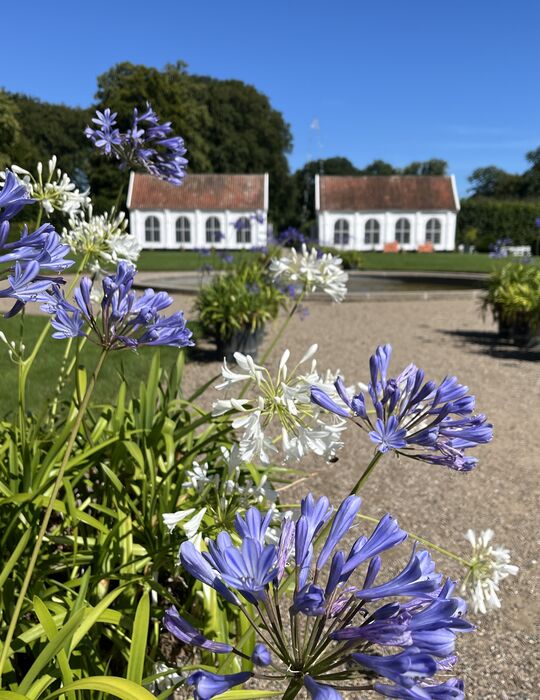
The Manor Garden
Summer Exhibition About the Manor Garden at Gammel Estrup