

A Journey Back to the 17th Century
The Lord’s Manor is based on the life and achievements of the lord of the manor, Eske Brock who lived at Gammel Estrup during the Renaissance period. In his lifetime, Eske Brock was one of the richest and most powerful men in Denmark.
The exhibition recounts the story of a period in Denmark’s history, during which the Catholic Church lost its standing in society, and the nobility became more powerful and prosperous than ever before. This resulted in a number of magnificent manorial construction projects such as the main building at Gammel Estrup, which today looks virtually the same as it did in the Renaissance period.
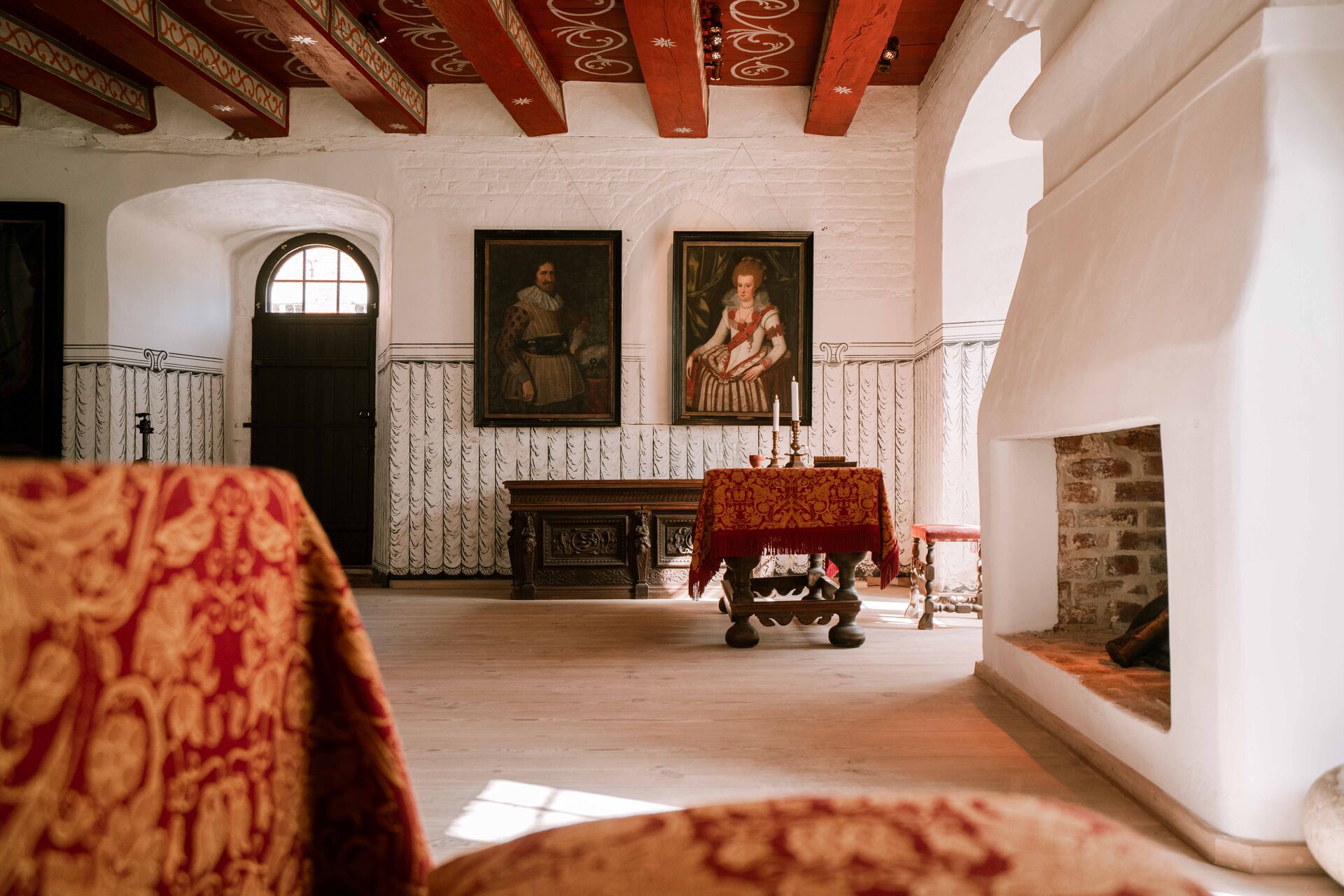
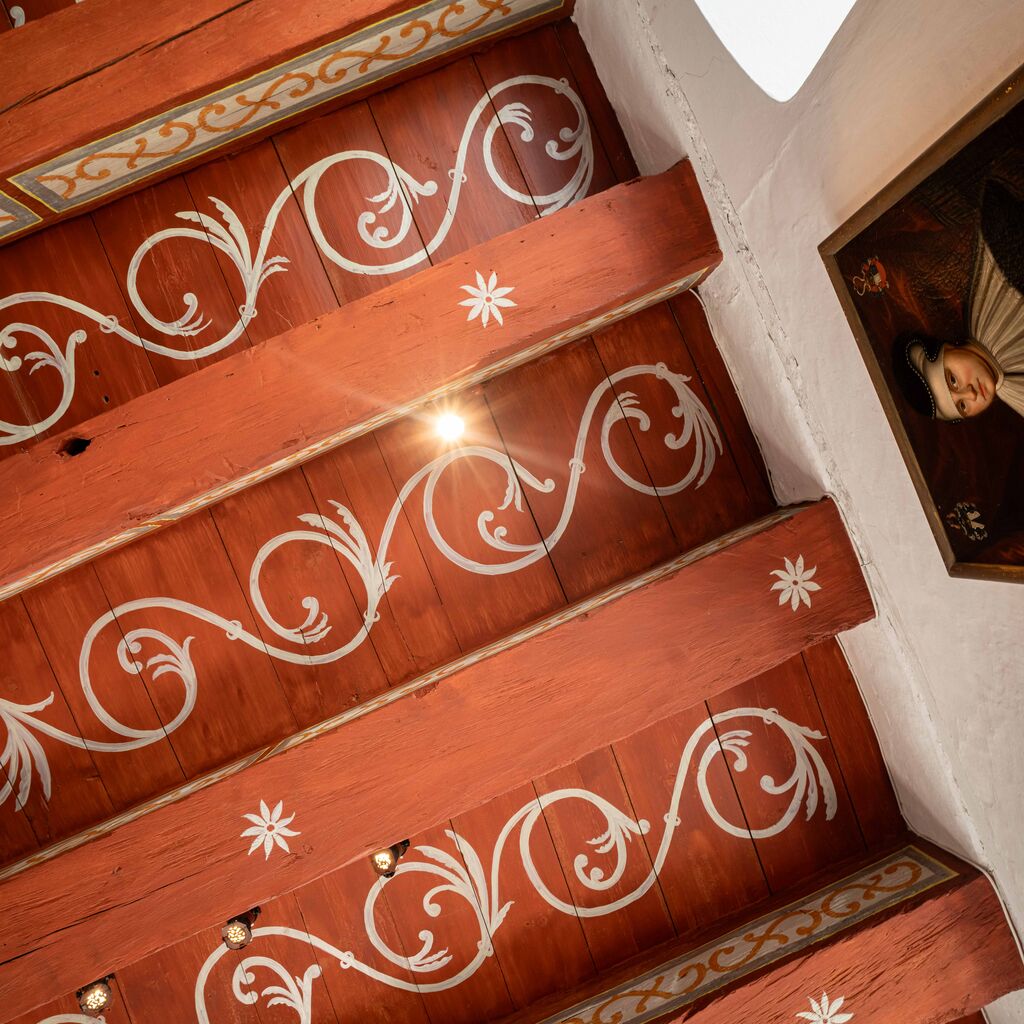
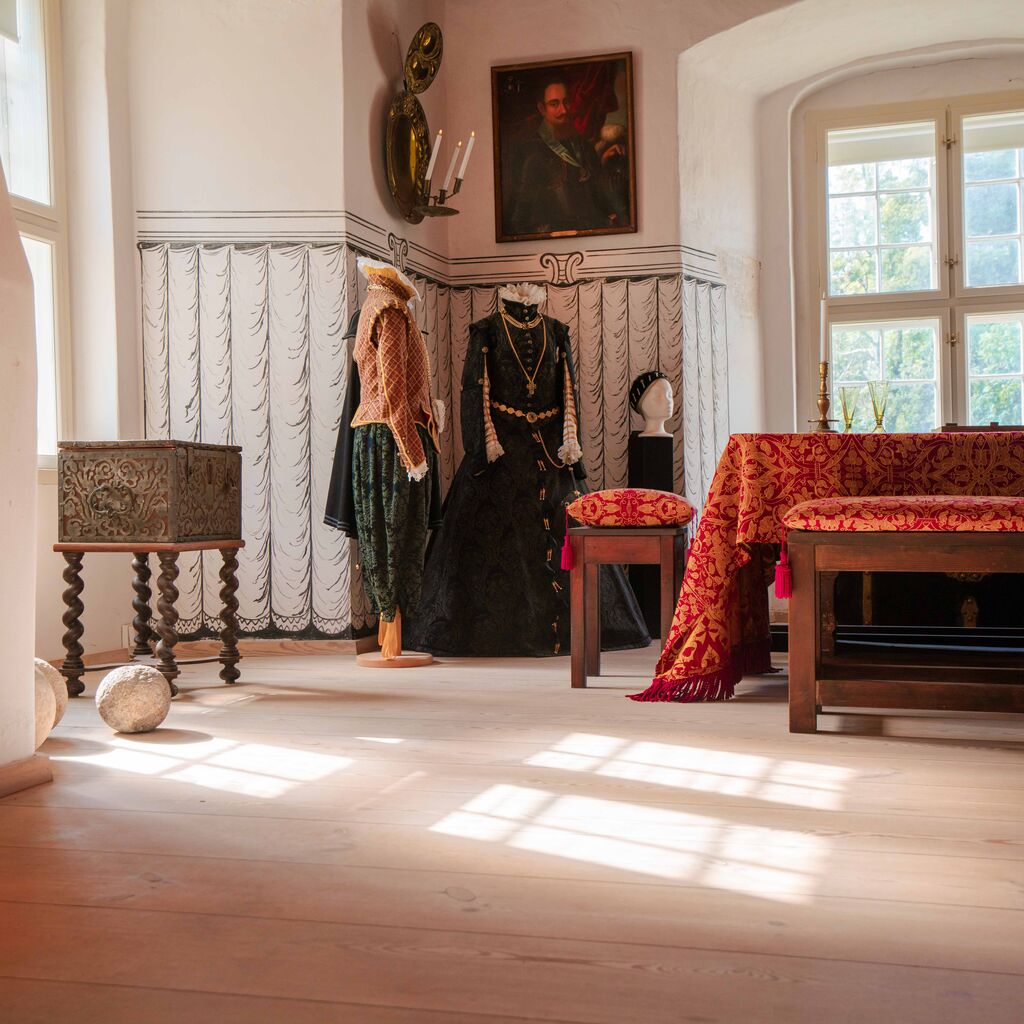
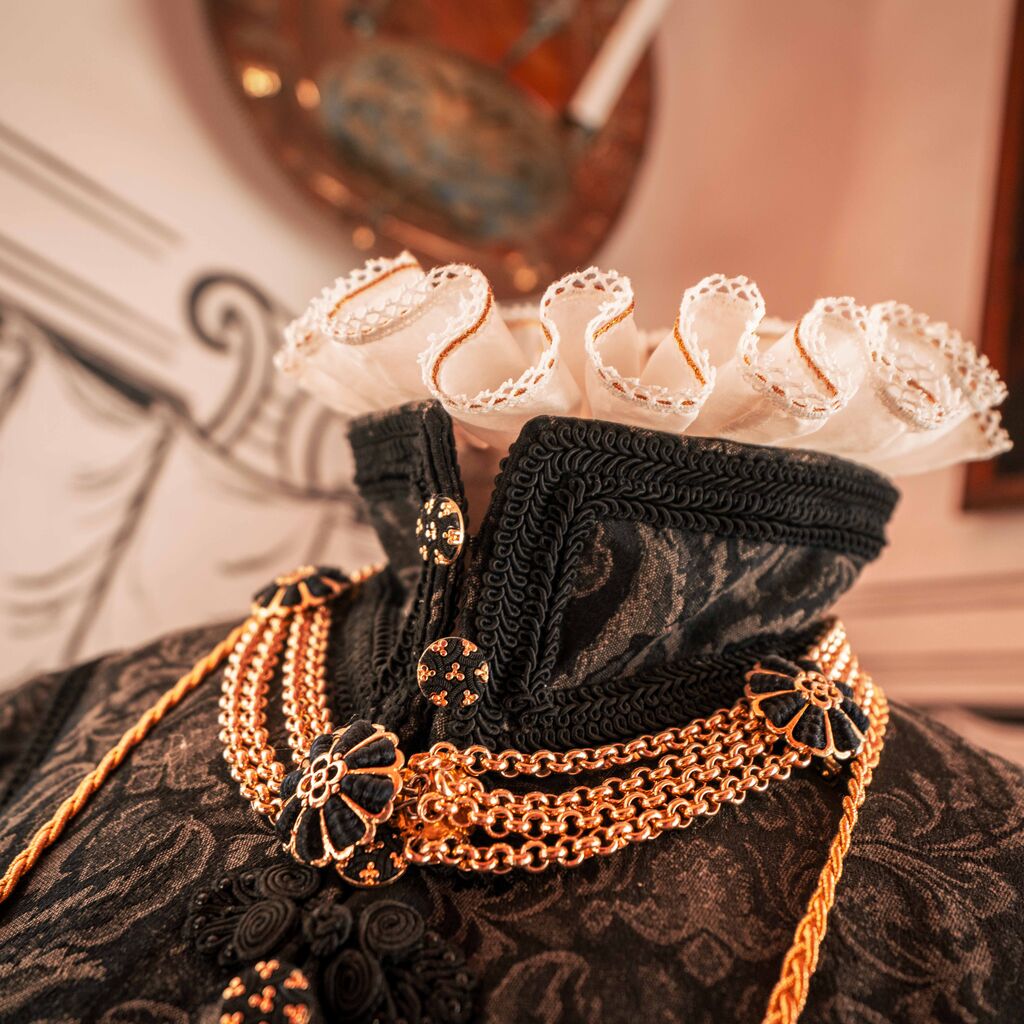
The Lord’s Manor comprises the Chapel, the Passage by the Chapel and The Parlour. The rooms have been decorated in accordance with the ideals and lifestyle of the age and the nobility in the 17th century. The Chapel formed the setting for religious life, while the austere Parlour was the day-to-day living room for all the ladies and gentlemen of the manor house. The walls and ceilings are decorated with the colours and special patterns of the age, based on original designs discovered at Gammel Estrup.
The Lord's Manor

The sparsely furnished parlour served as the daily living room for the entire household. The walls and ceilings are decorated in the colours and distinctive patterns of the period, based on original designs found at Gammel Estrup

The chapel formed the setting for the household’s religious life. The chapel was for both the noble family and the servants, but the beautifully decorated chairs in the front row clearly marked that there was a distinction between the noble family and the servants

The passage by the chapel connects the chapel with the rest of the manor
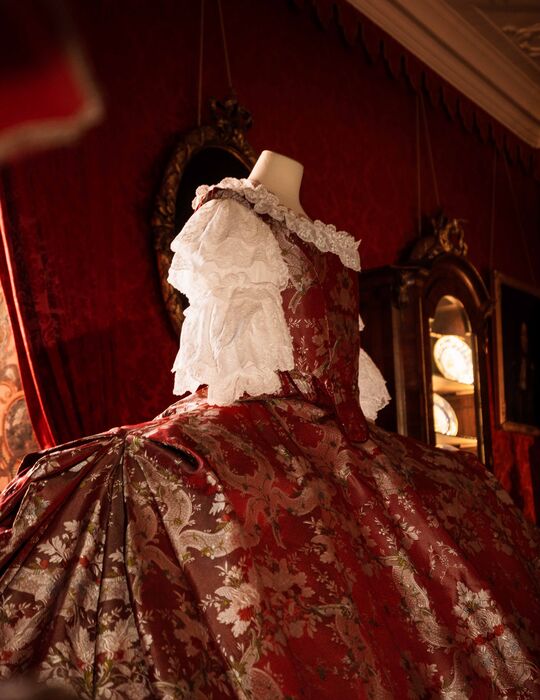
The Countess’s Elegant Rooms
The Countess's elegant Baroque interiors from the early 1700s
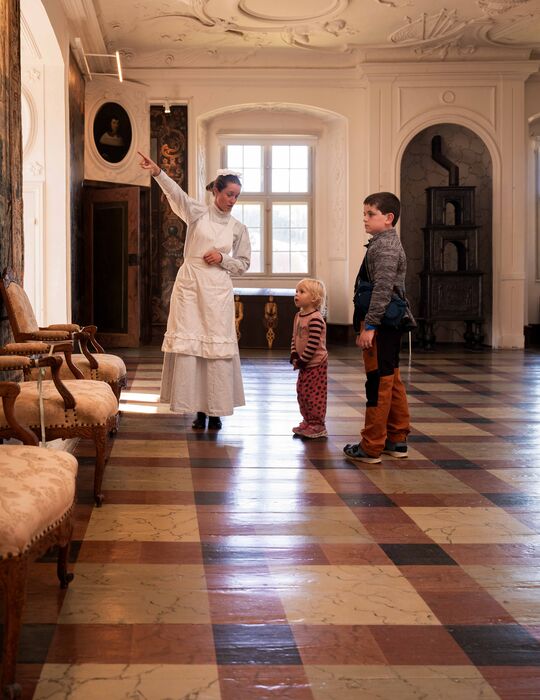
The Great Hall
The manor’s grand hall, which hosted large parties and celebrations
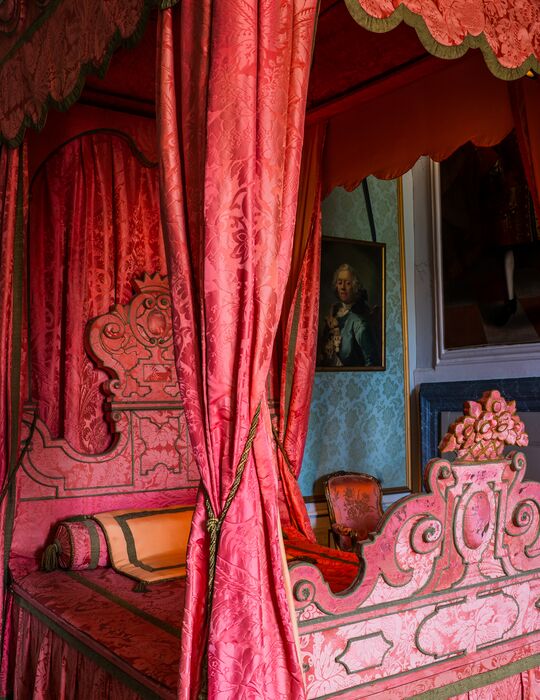
The Count’s Apartments
The Count's elegant rooms in cohesive Rococo style
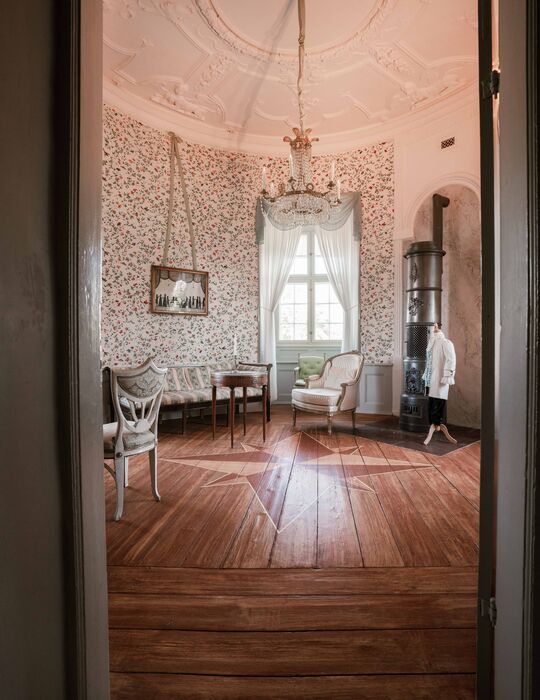
The Great Cabinet & The Count’s Roundel
Magnificent interiors from the late 18th century
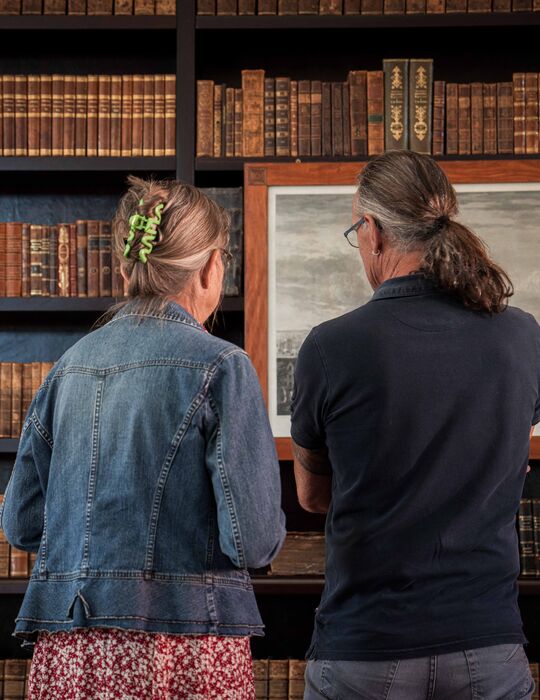
Rooms for Science & Pastimes
The Wild Count’s fabulous study and family living room
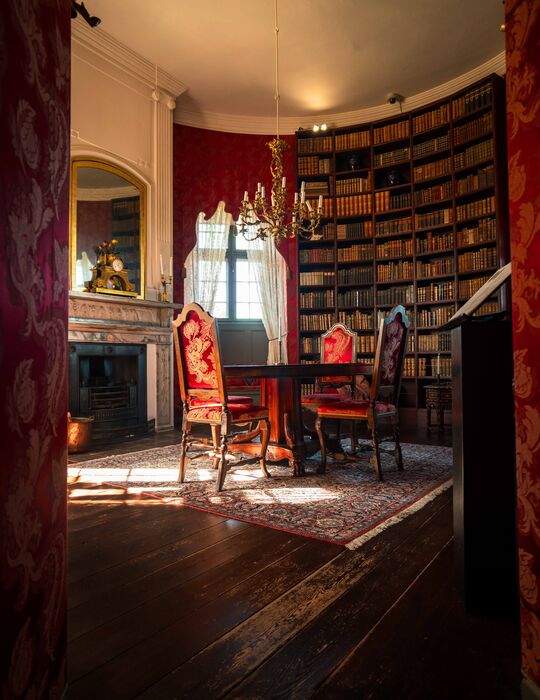
The Gentlemen’s Manor
Rooms where gentlemen relaxed with a fine cigar in the late 19th century
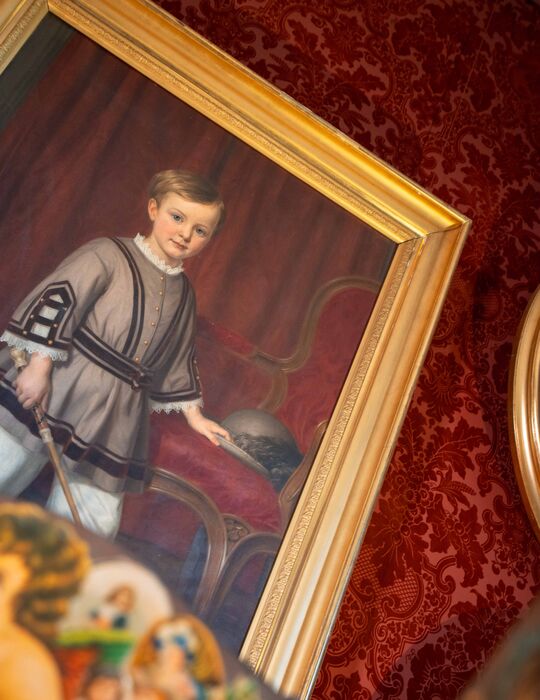
The Manor of Family & Private Life
The count’s family bedrooms and living spaces in the mid-19th century
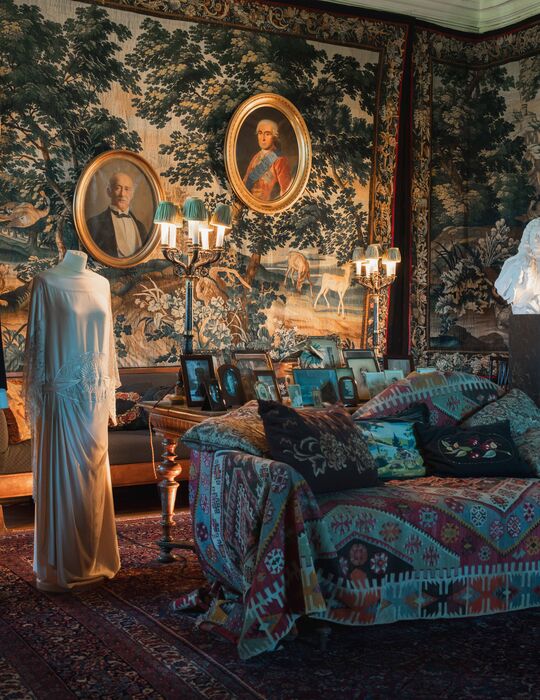
Modern Times
Old heirlooms side by side with modern conveniences in the 1920s
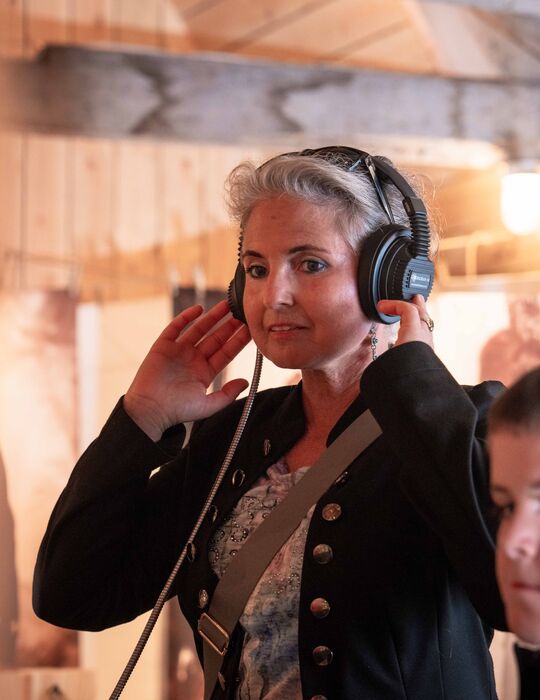
The Attic
The invisible world of the servants, drying loft and storage room
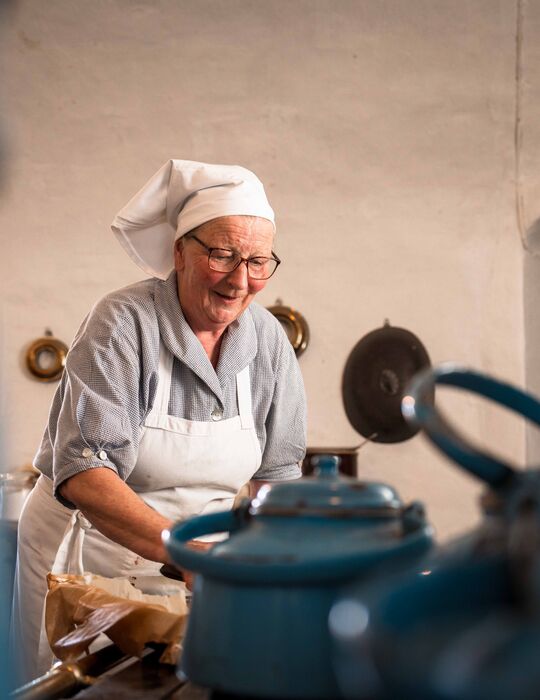
The servant’s domain
The manor kitchen and the servants’ quarters at the beginning of the 20th century
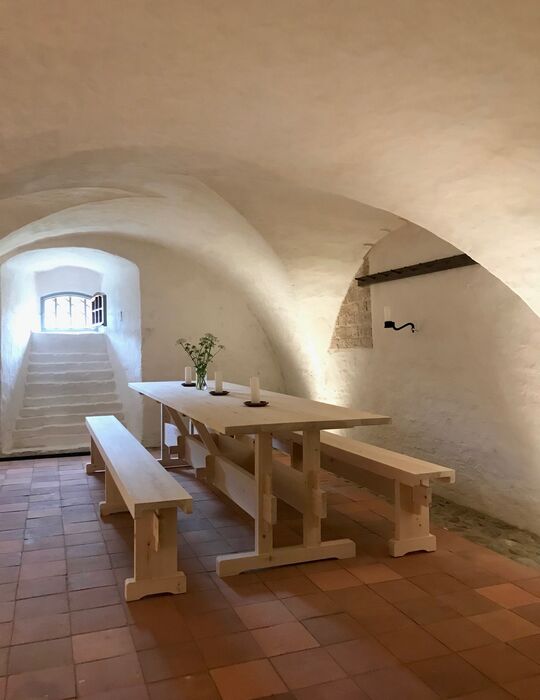
The cellar
Activity room and the servants’ hall
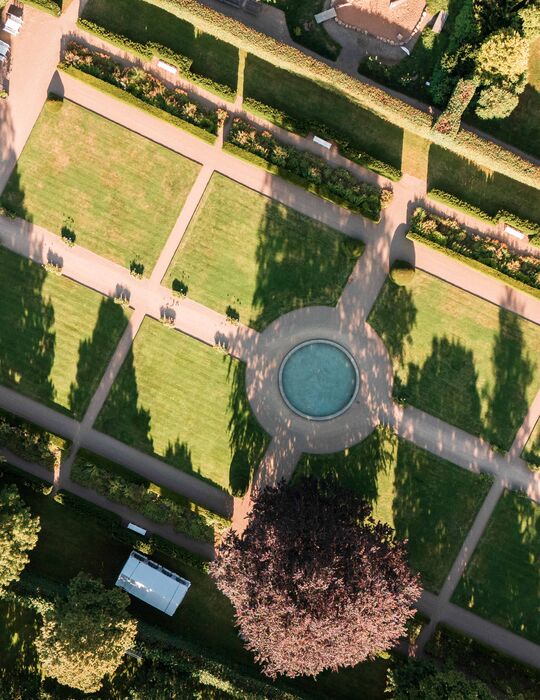
Gardens & Cultural Landscape
Magnificent Baroque garden and a complete manorial landscape
Kitchen Garden & Greenhouse
Utility gardens and the socalled 'vine and peach house'
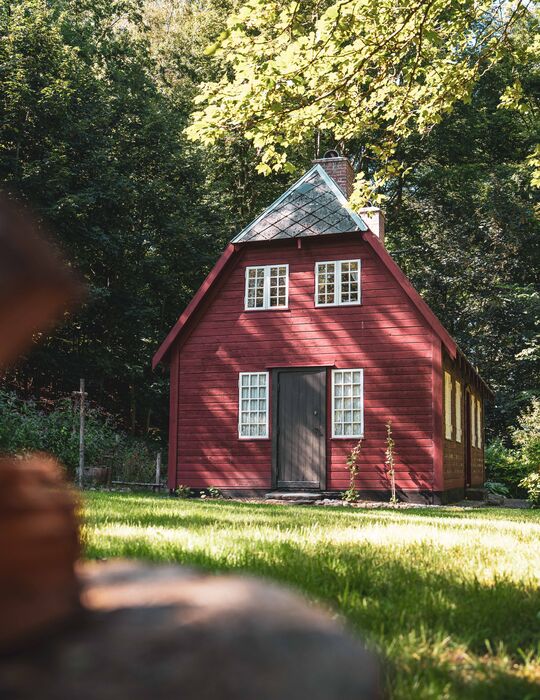
The Forester’s Cottage
Workers house, showing the lives of the forest workers in the 1930s
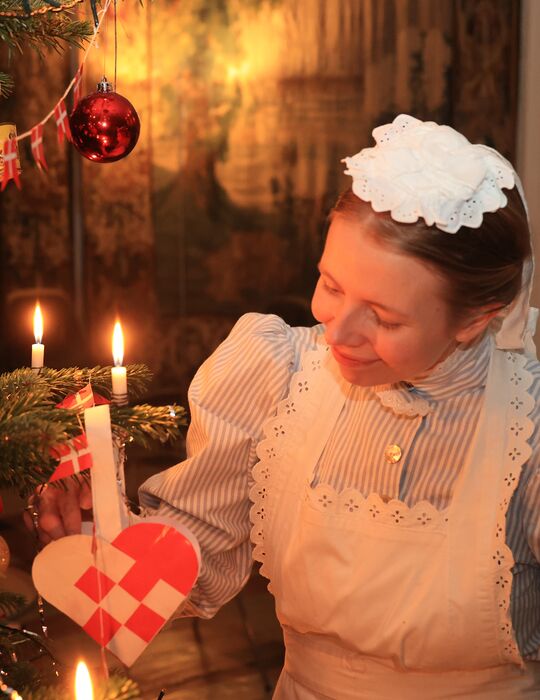
Christmas Upstairs & Downstairs
Experience Christmas at the Manor 100 Years Ago
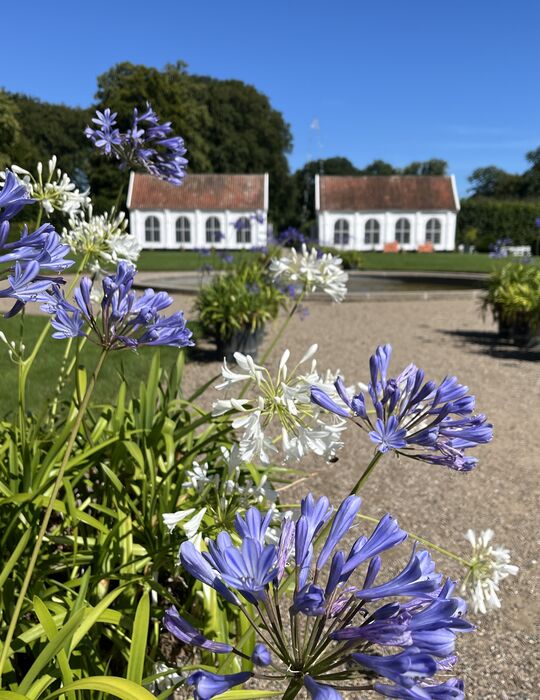
The Manor Garden
Summer Exhibition About the Manor Garden at Gammel Estrup