

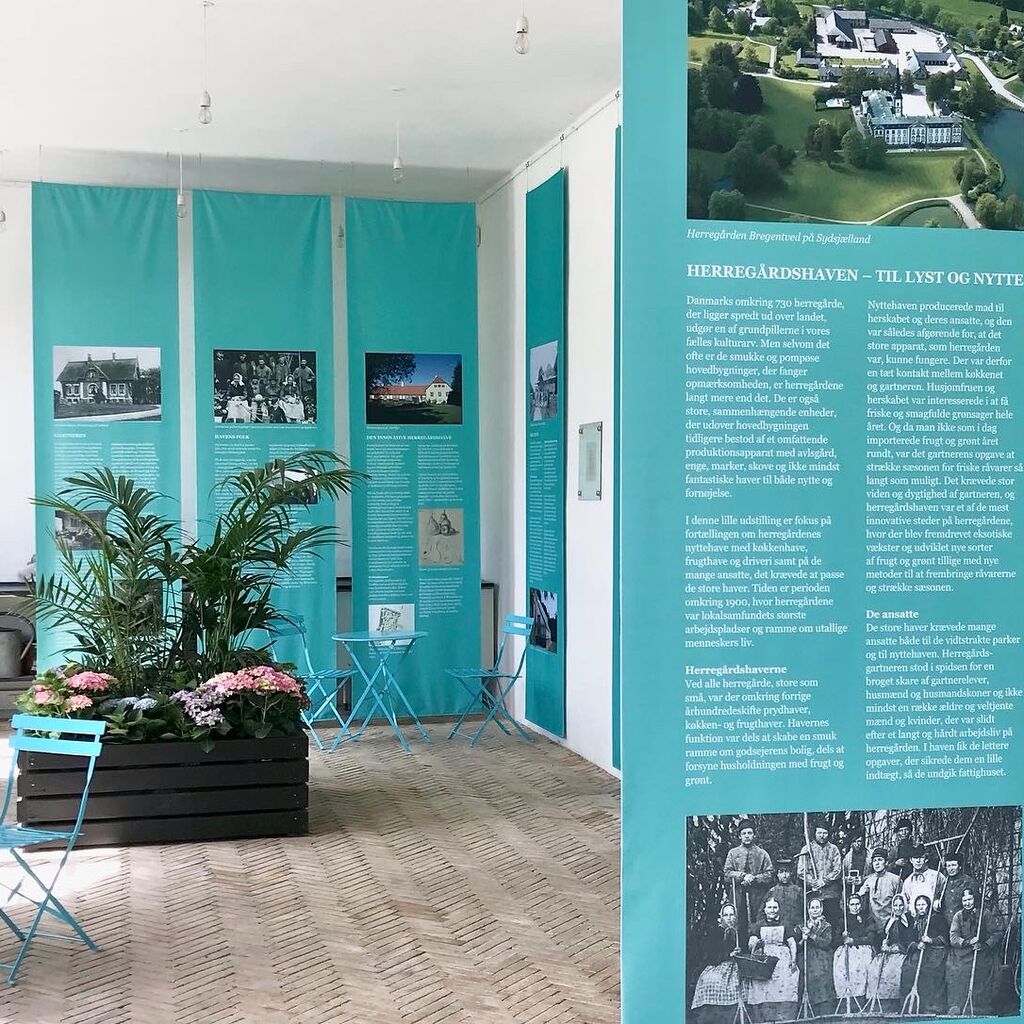
Summer Exhibition Focusing on the Manor Garden
23 May – 16 August 2026
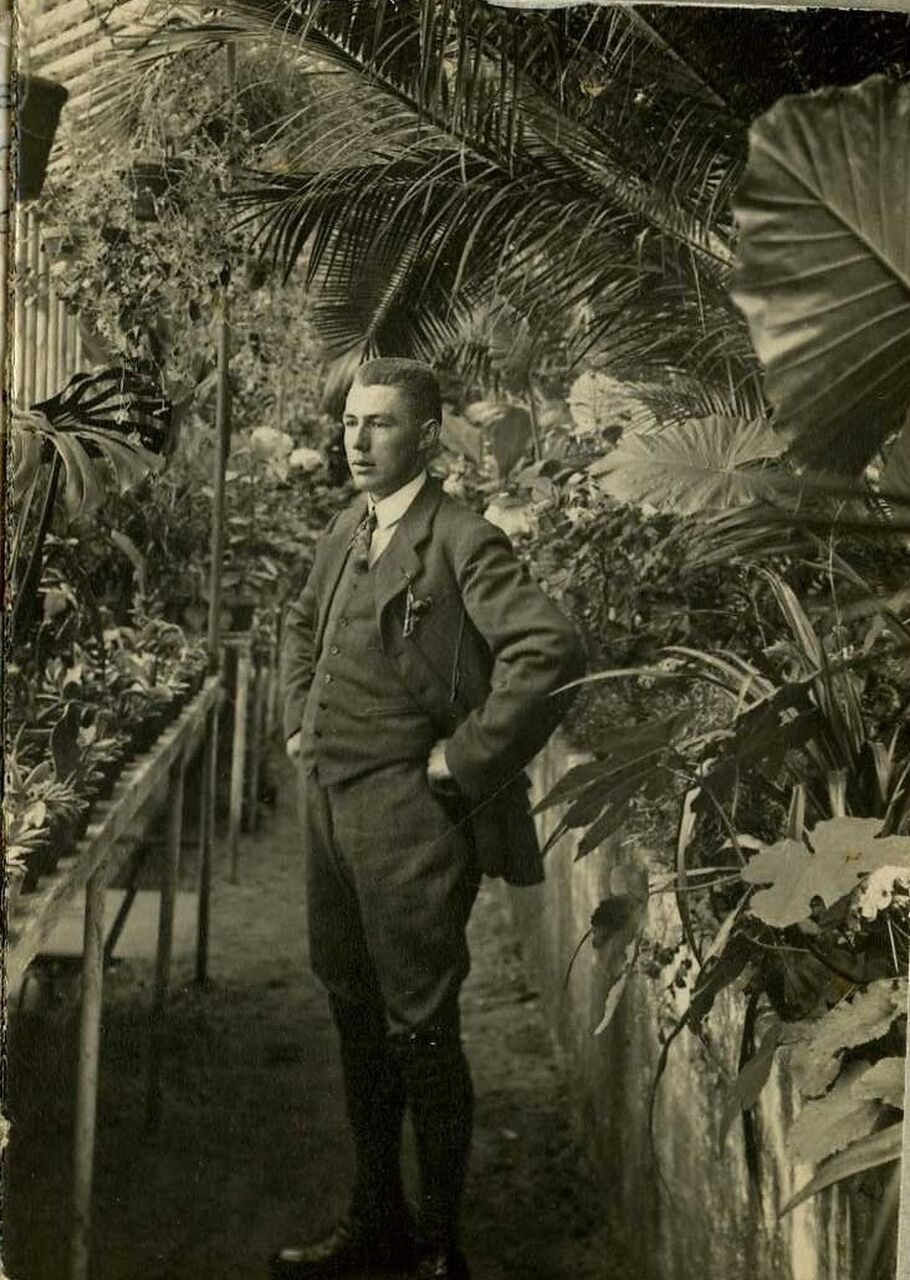
Dive into the history of the manor’s utility garden, including the kitchen garden, orchard, and greenhouses, as well as the many employees required to maintain the large manor gardens in the past. The time period is around 1900, when manors were the largest workplaces in local communities and formed the setting for the lives of countless people.
The Manor Gardens
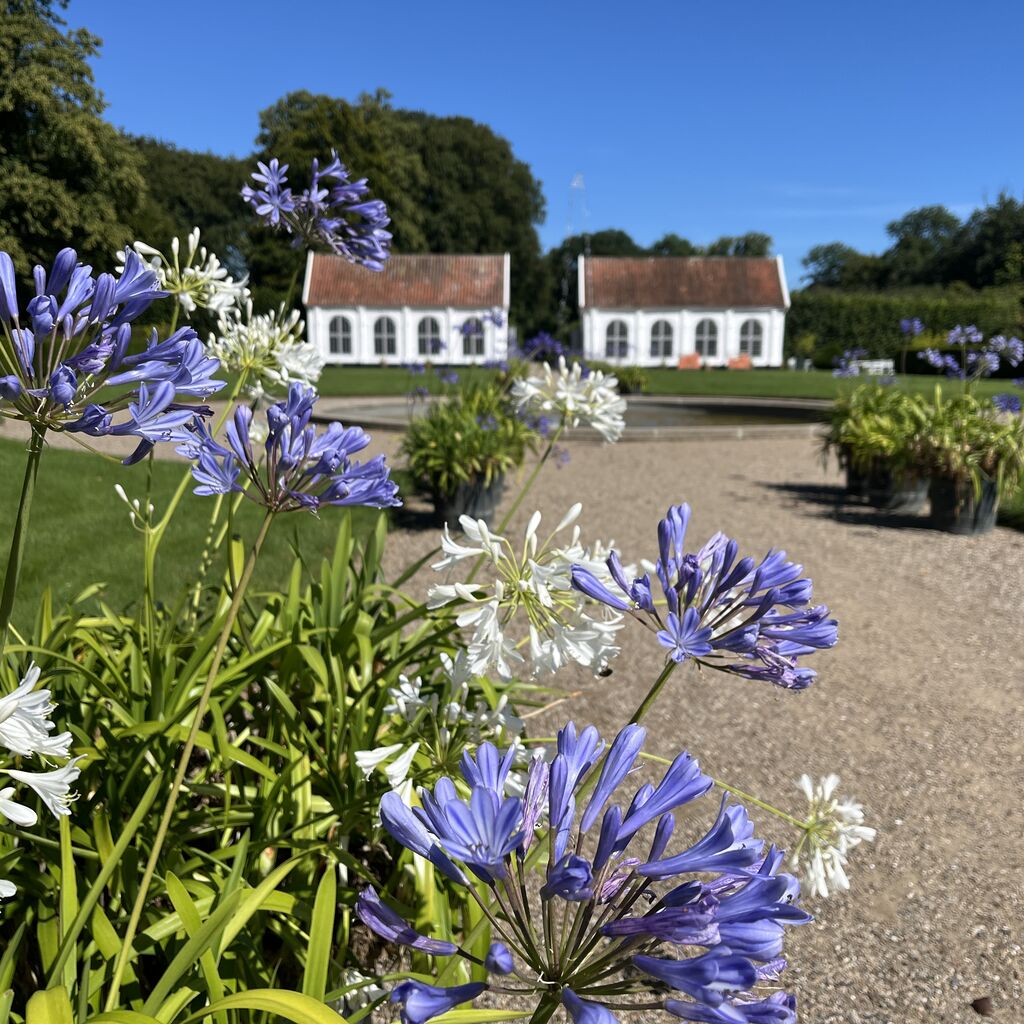
At every manor, large or small, there were ornamental gardens as well as kitchen gardens and orchards around the turn of the previous century. The gardens served both to create a beautiful setting around the landowner’s residence and to supply the household with fruit and vegetables. The utility garden produced food for the manor family and their employees and was therefore essential for keeping the large operation of the manor running.
There was close cooperation between the kitchen and the gardener. The housekeeper and the manor family wanted fresh and tasty vegetables all year round. Since fruit and vegetables were not imported year-round as they are today, it was the gardener’s task to extend the season for fresh produce as much as possible. This required great knowledge and skill from the gardener, and the manor garden was one of the most innovative places on the estates, where exotic plants were cultivated and new varieties of fruit and vegetables were developed, along with new methods of producing crops and extending the growing season.
The Employees
The large gardens required many workers to maintain both the extensive parks and the utility garden. The manor gardener led a diverse group of gardening apprentices, smallholders and their wives, and not least a number of older, long-serving men and women who were worn down after a long and demanding working life on the estate. In the garden they were given lighter tasks that provided them with a small income, helping them avoid ending up in the poorhouse.
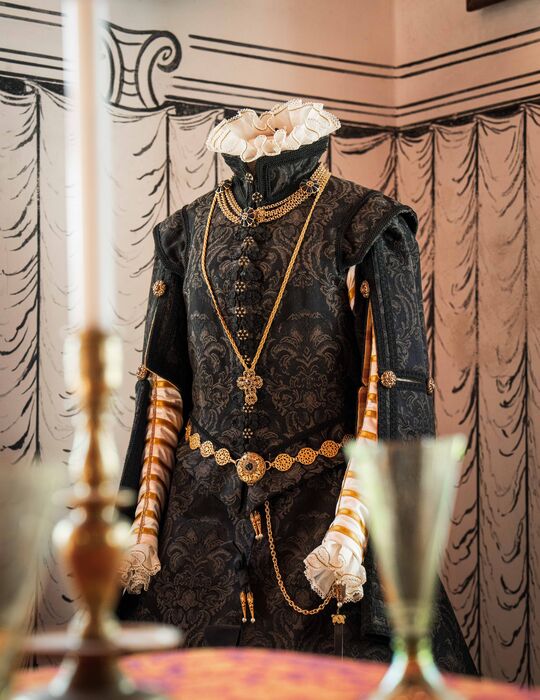
The Lord’s Manor
Renaissance nobleman Eske Brock's Parlour and manor Chapel
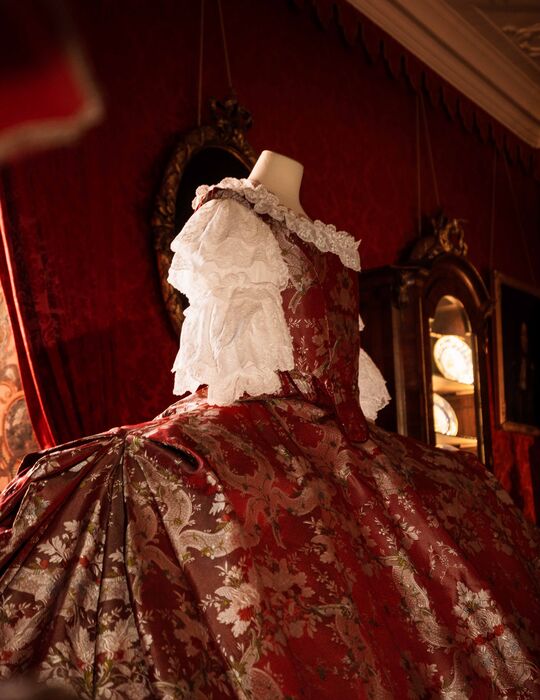
The Countess’s Elegant Rooms
The Countess's elegant Baroque interiors from the early 1700s
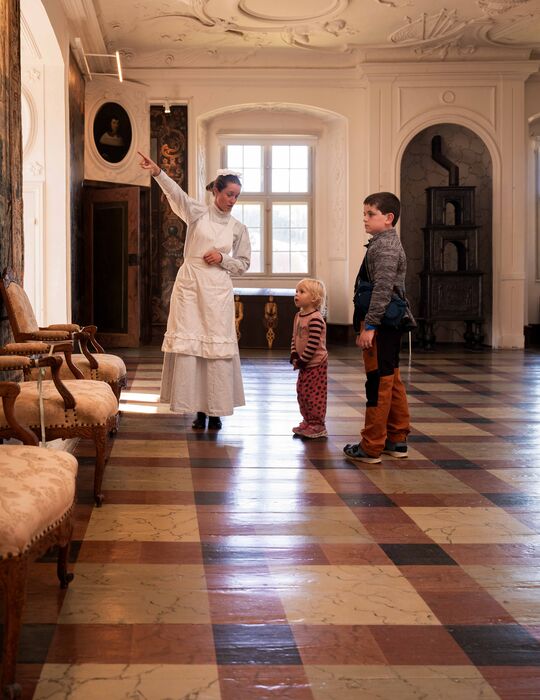
The Great Hall
The manor’s grand hall, which hosted large parties and celebrations
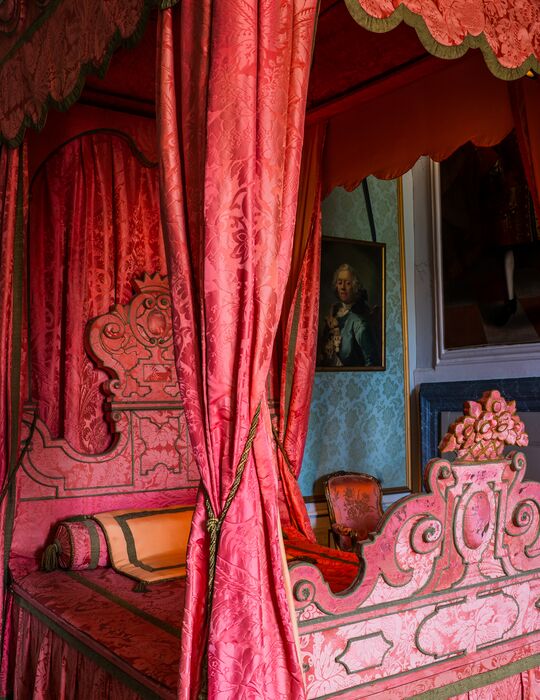
The Count’s Apartments
The Count's elegant rooms in cohesive Rococo style
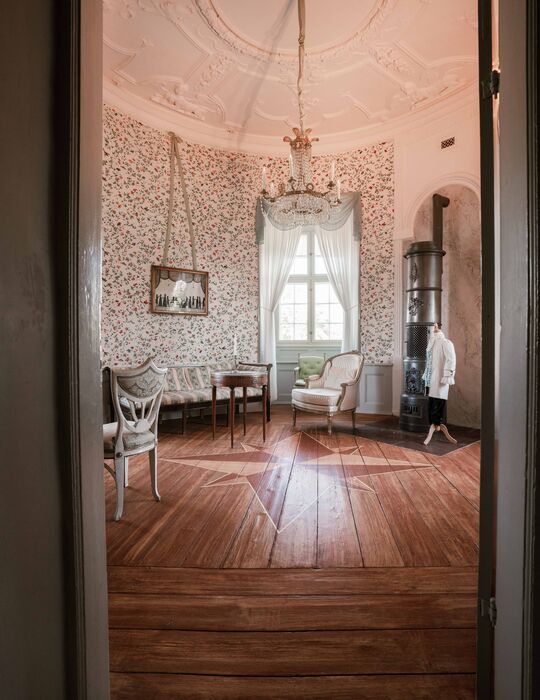
The Great Cabinet & The Count’s Roundel
Magnificent interiors from the late 18th century
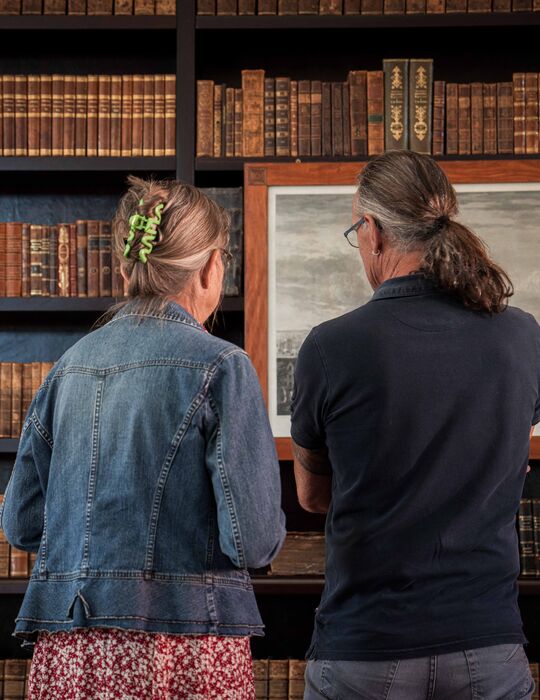
Rooms for Science & Pastimes
The Wild Count’s fabulous study and family living room
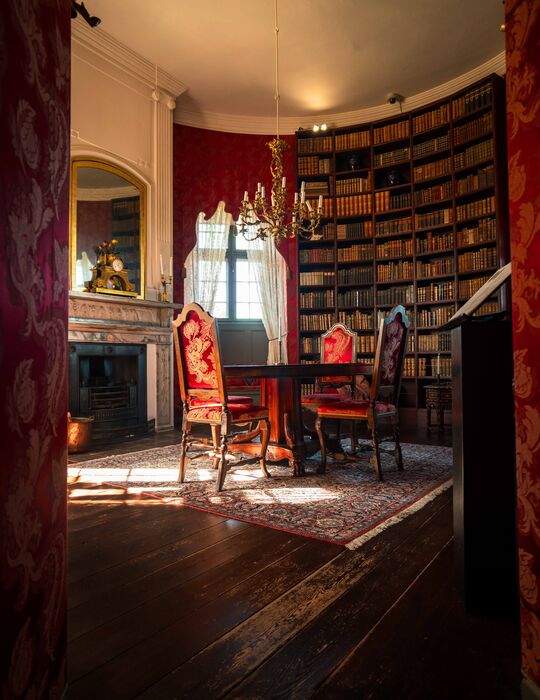
The Gentlemen’s Manor
Rooms where gentlemen relaxed with a fine cigar in the late 19th century
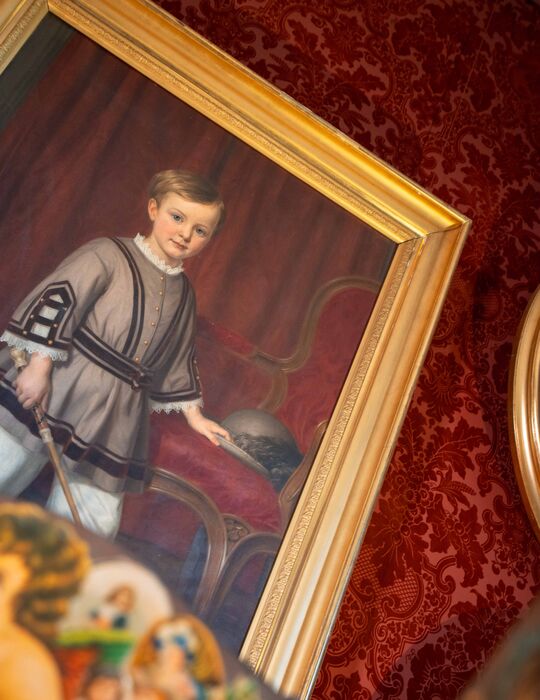
The Manor of Family & Private Life
The count’s family bedrooms and living spaces in the mid-19th century
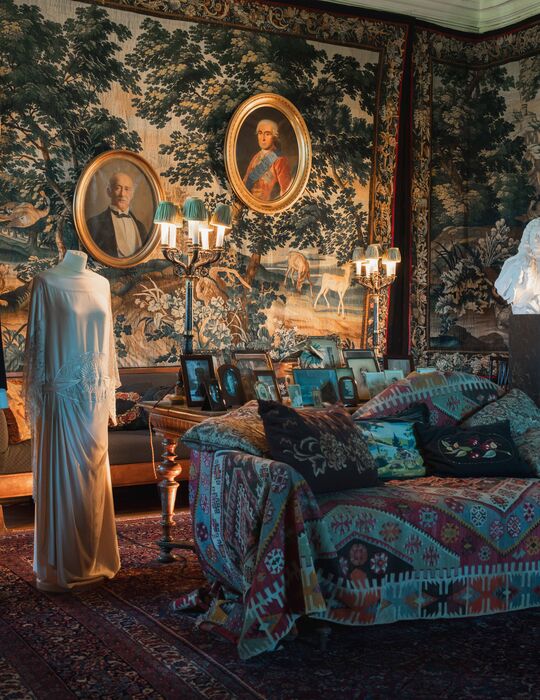
Modern Times
Old heirlooms side by side with modern conveniences in the 1920s
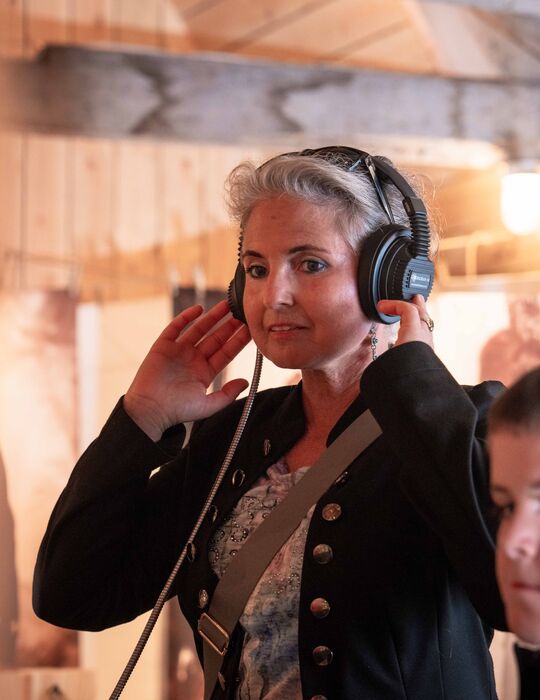
The Attic
The invisible world of the servants, drying loft and storage room
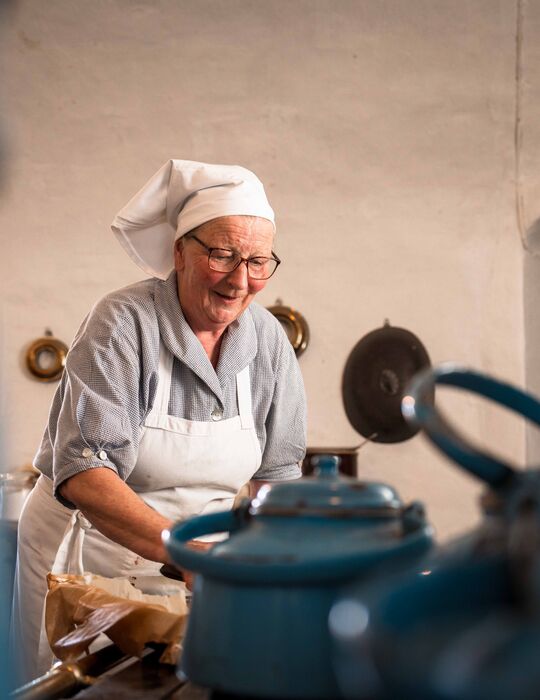
The servant’s domain
The manor kitchen and the servants’ quarters at the beginning of the 20th century
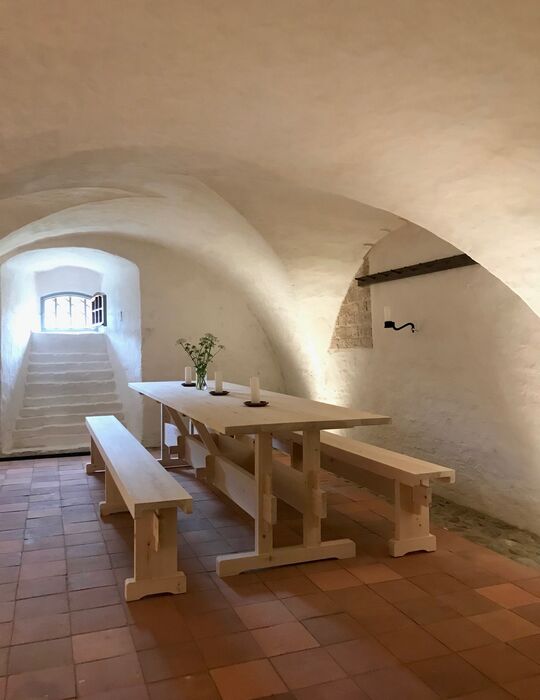
The cellar
Activity room and the servants’ hall
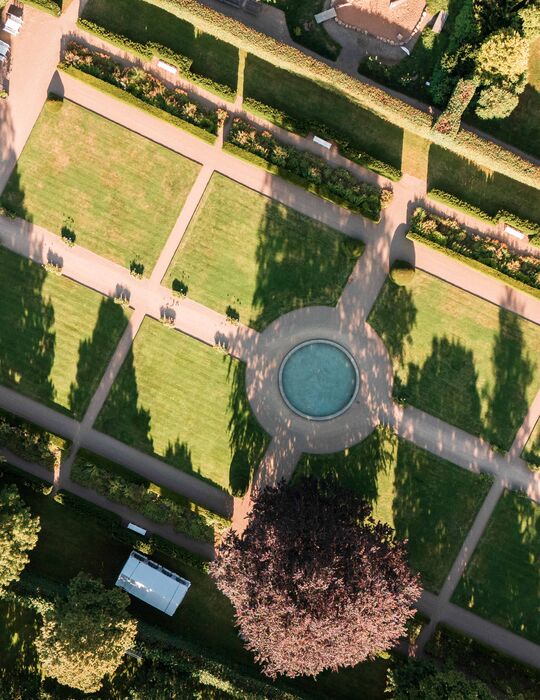
Gardens & Cultural Landscape
Magnificent Baroque garden and a complete manorial landscape
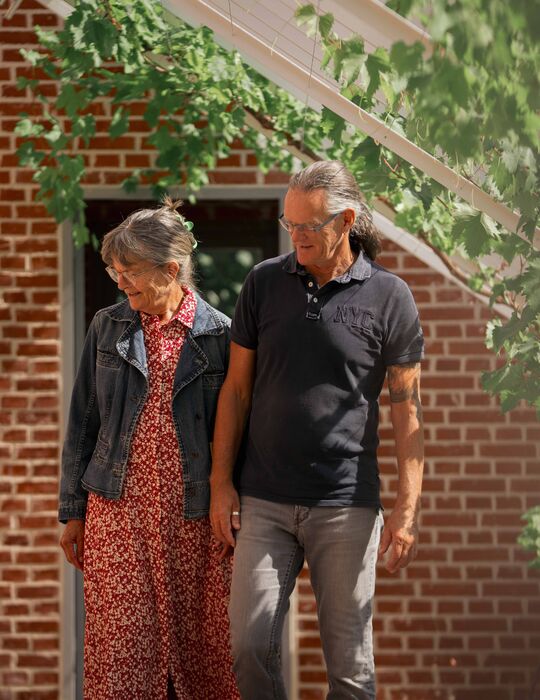
Kitchen Garden & Greenhouse
Utility gardens and the socalled 'vine and peach house'
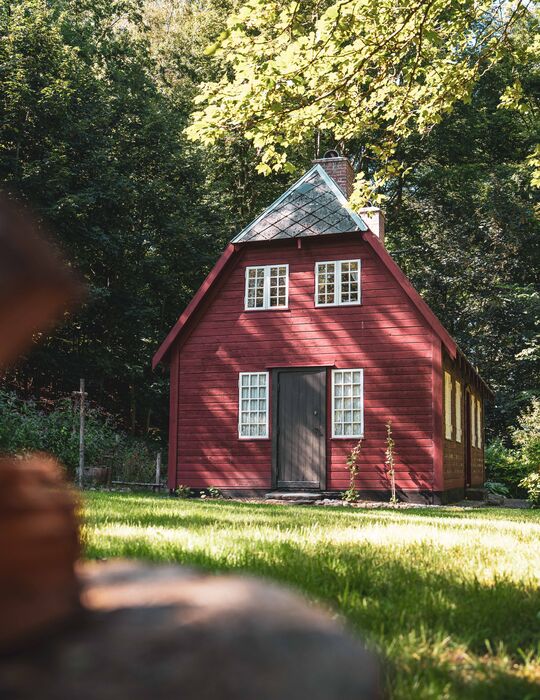
The Forester’s Cottage
Workers house, showing the lives of the forest workers in the 1930s
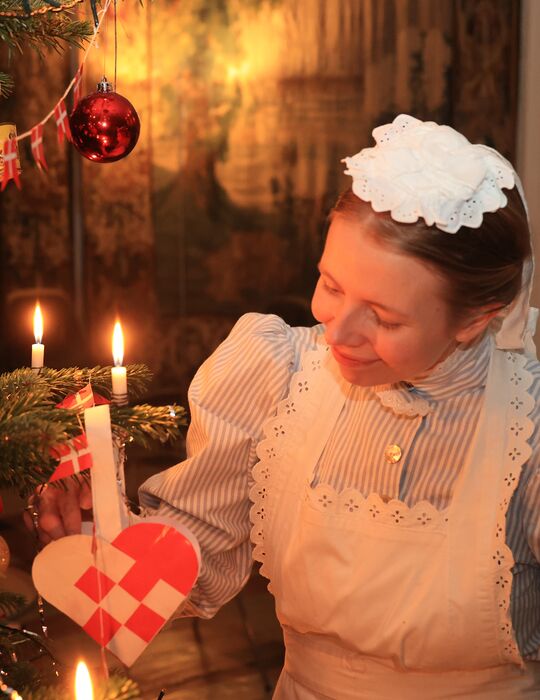
Christmas Upstairs & Downstairs
Experience Christmas at the Manor 100 Years Ago