

A Journey Back to the Early 19th Century
These rooms tell the story of the so-called ‘wild’ Count Jørgen Scheel of Gammel Estrup, who was one of the European elite in the early 19th century.
This was the age of enlightenment, characterised by a spirit of rationality and experiment and by the advent of the romantic movement, which placed the emotions, the individual, self-realisation and nature at its heart. The nobility therefore did not concern themselves solely with farming the land and managing the forests, but also had a great interest in history, literature, geology and astronomy. An interest that was reflected in house interiors, furnishings and culture. Study rooms were established that contained a wealth of books, marvellous instruments, globes and ethnographic curiosities. Living rooms were furnished and fitted out so they lived up to the new bourgeois family ideal, with room for both children and adults.
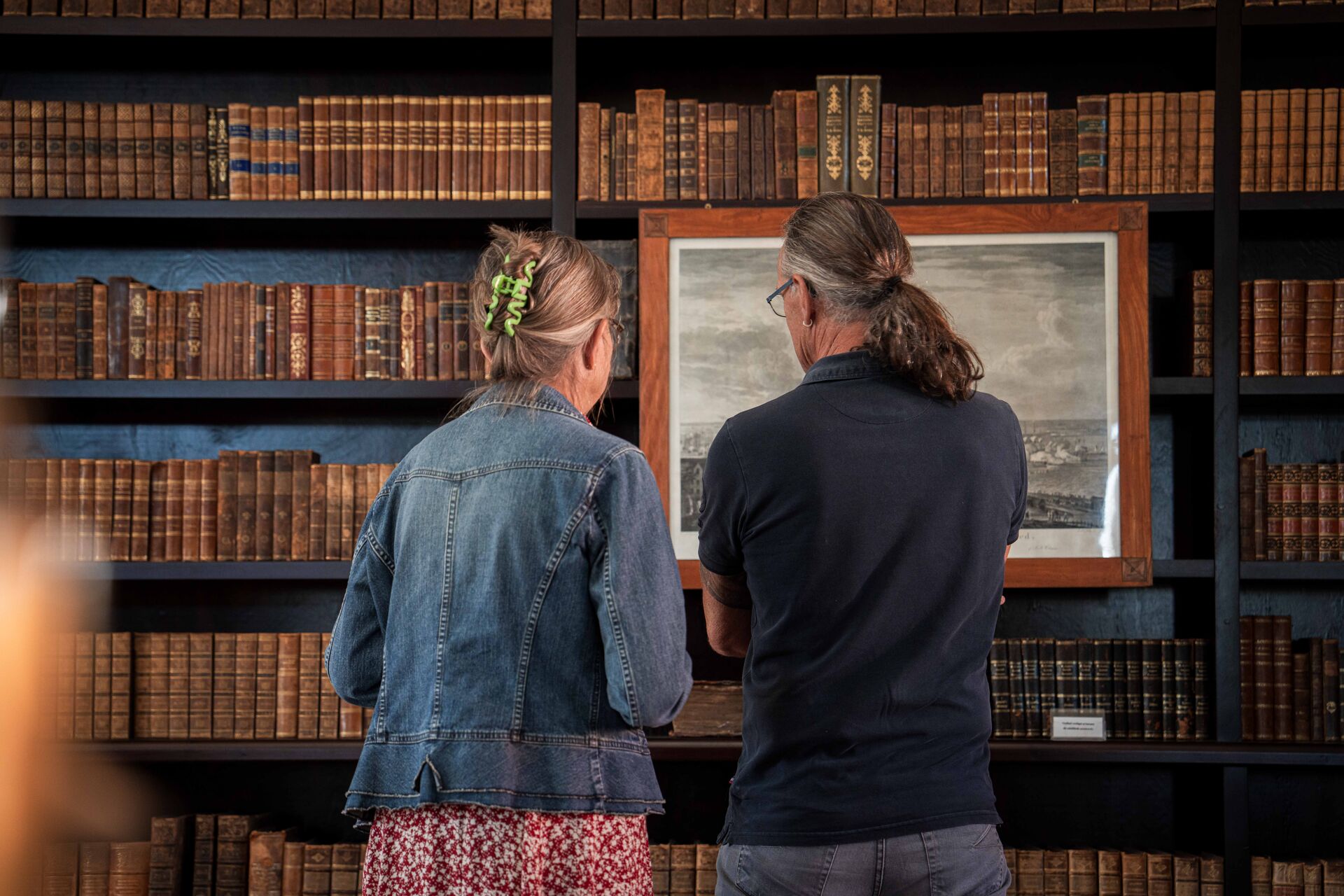
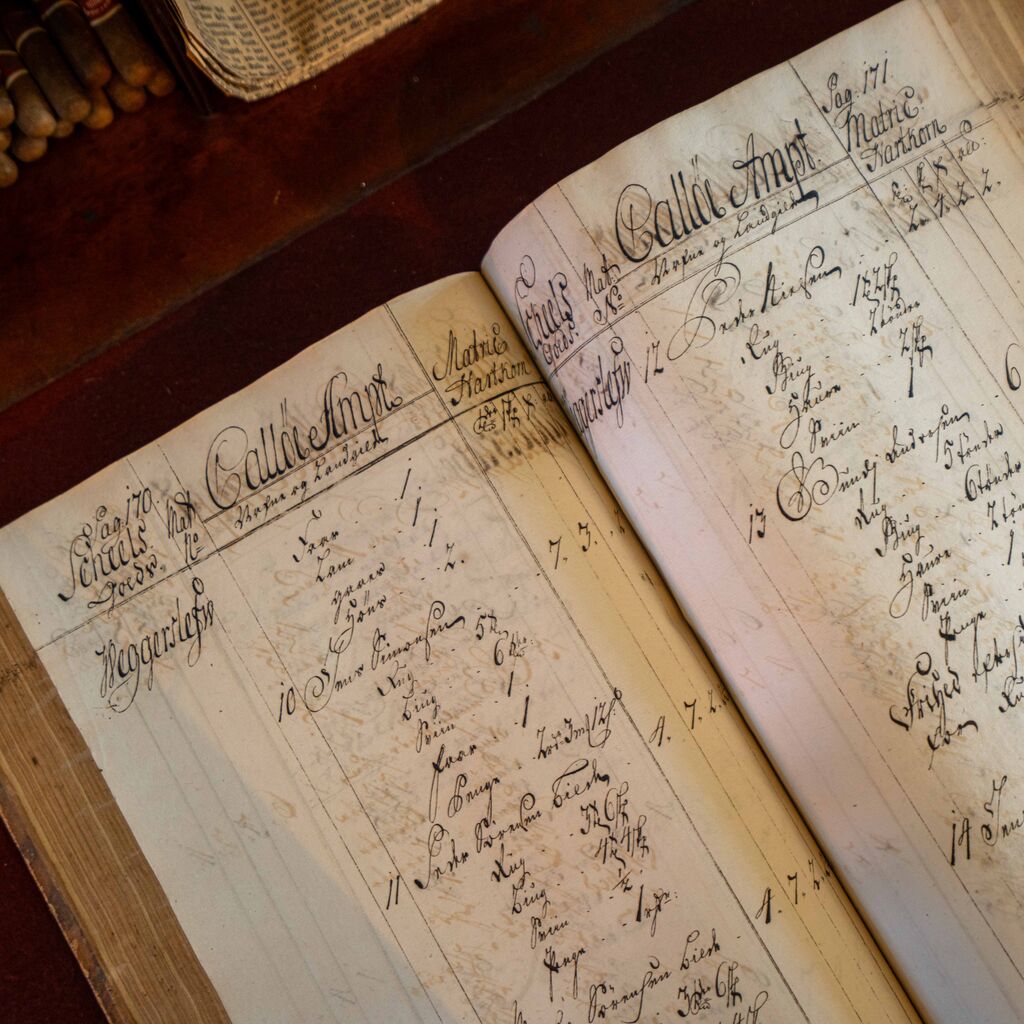
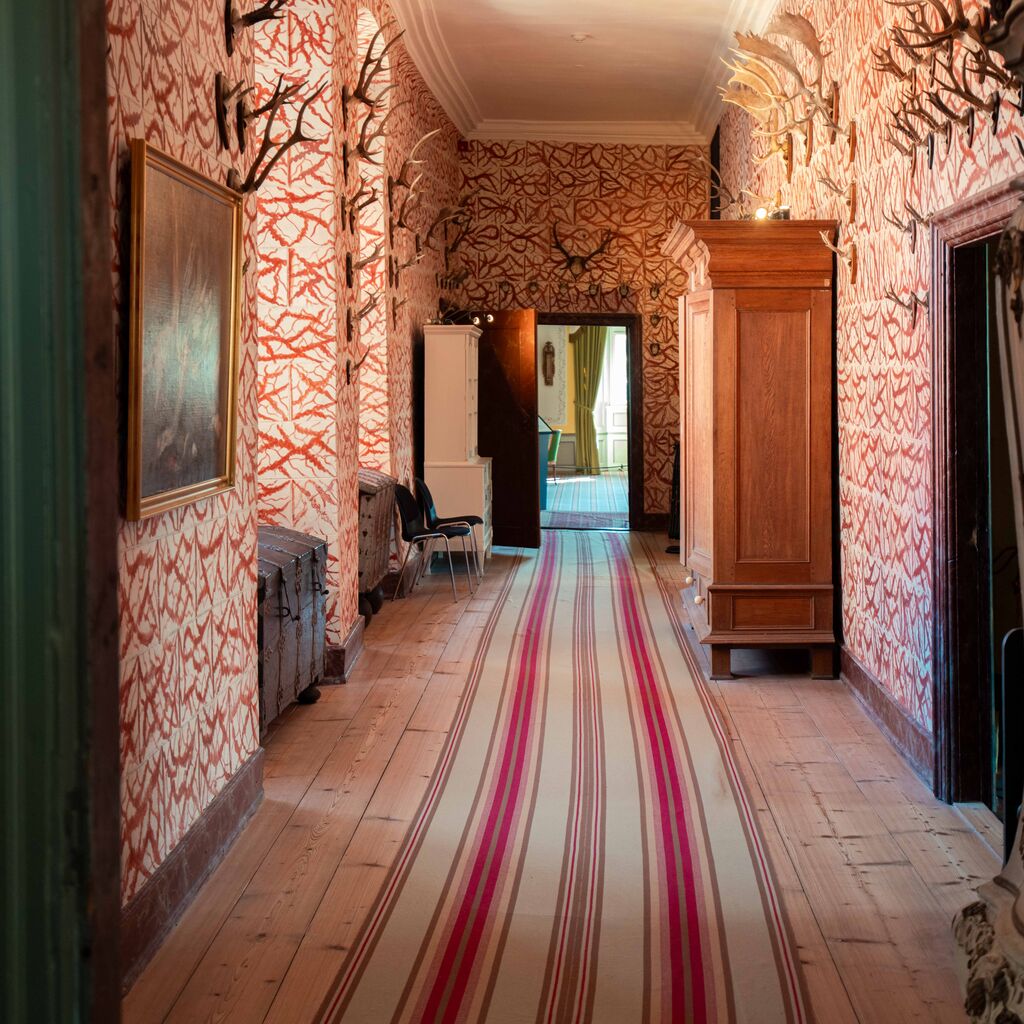
The Rooms for Science and Pastimes consist of The Count’s Study, containing Jørgen Scheel’s many books, instruments and curios, The Yellow Room, which is fitted out as a living room for the whole family, Von Thienen’s Chamber, which functioned as a guest room for relatives and friends of the family, and the Oxblood Passage, which links the rooms.
Rooms for Science & Pastimes

In the study, one can see the many books, instruments, and curiosities that ‘the Wild Count’ Jørgen Scheel surrounded himself with

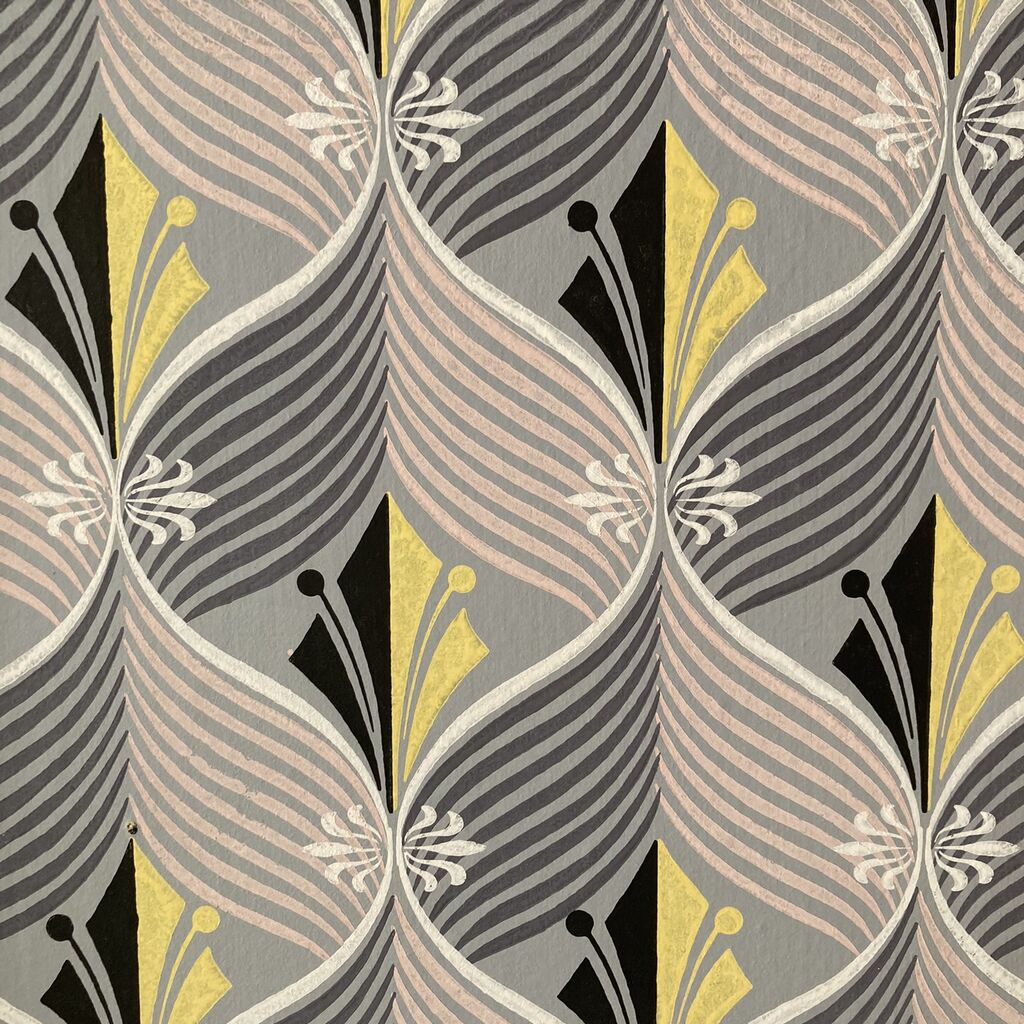
The Yellow Room is arranged as a living room, accommodating both children and adults in line with the new family ideals of the time. Adjacent to the Yellow Room is Von Thienen’s Chamber, which served as a guest room for relatives and friends of the family

The passage, which is said to have been painted with oxblood, connects the Count’s Study, the Yellow Room, and Von Thienen’s Chamber
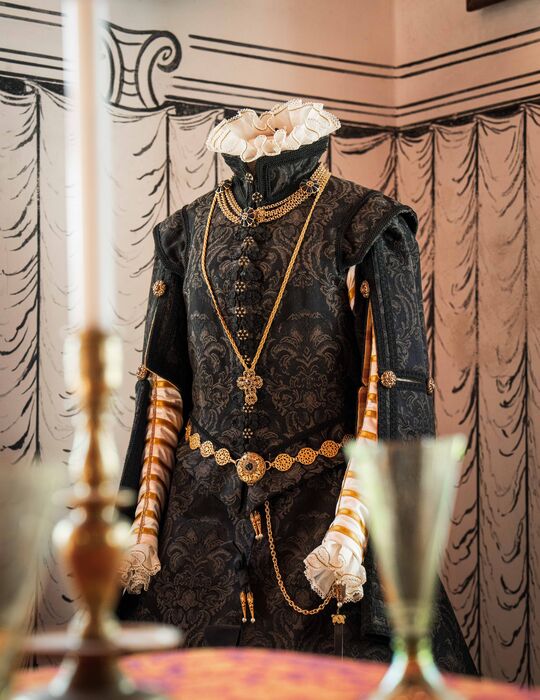
The Lord’s Manor
Renaissance nobleman Eske Brock's Parlour and manor Chapel
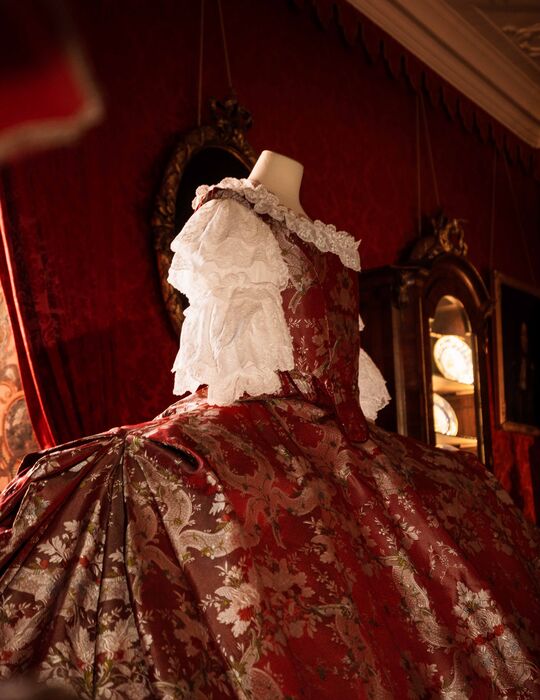
The Countess’s Elegant Rooms
The Countess's elegant Baroque interiors from the early 1700s
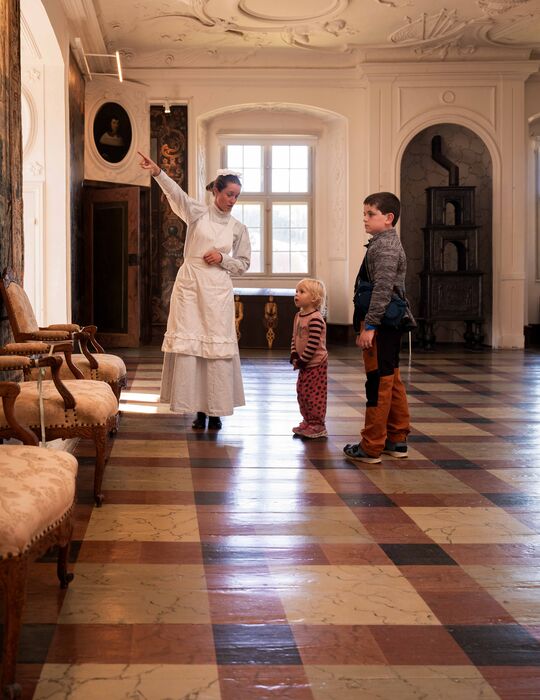
The Great Hall
The manor’s grand hall, which hosted large parties and celebrations
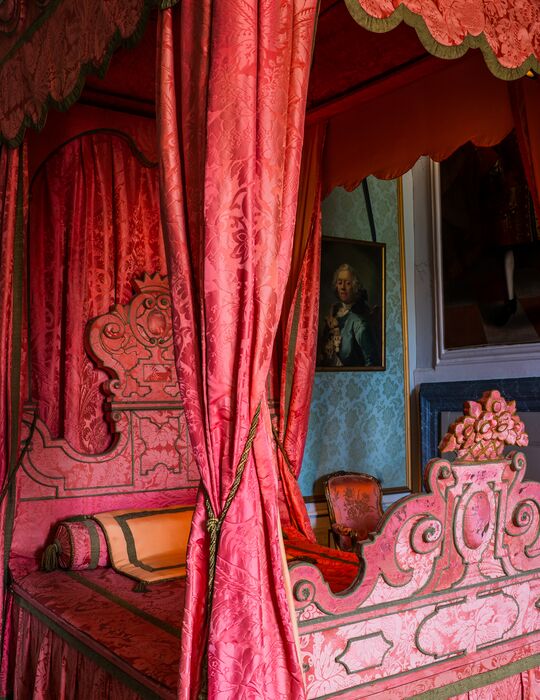
The Count’s Apartments
The Count's elegant rooms in cohesive Rococo style
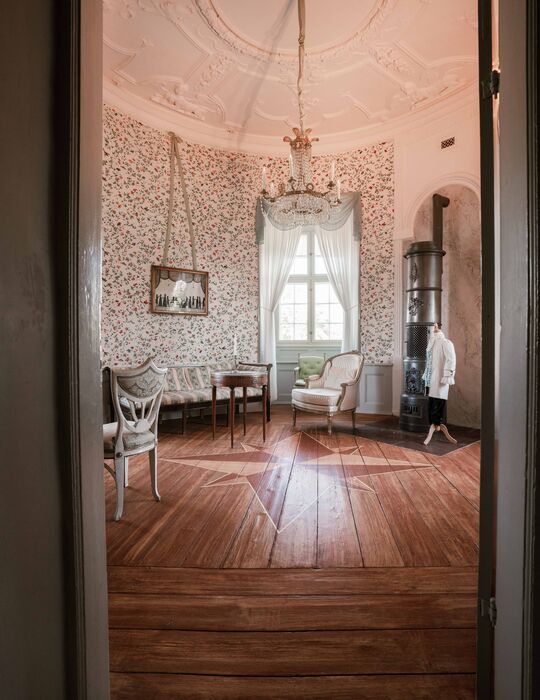
The Great Cabinet & The Count’s Roundel
Magnificent interiors from the late 18th century
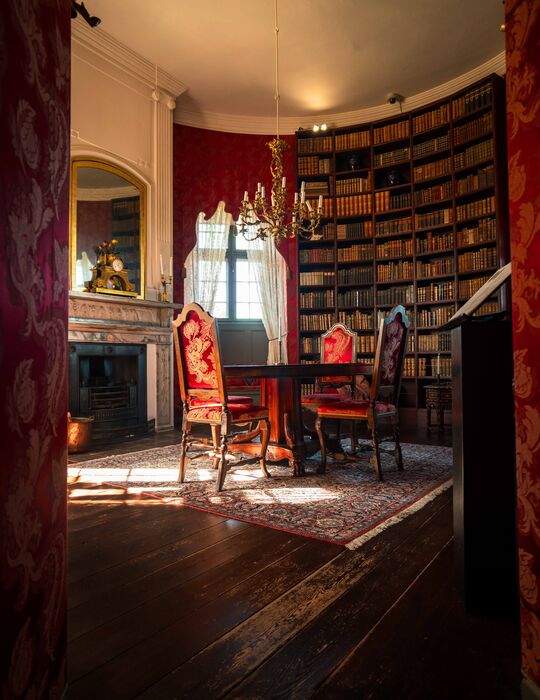
The Gentlemen’s Manor
Rooms where gentlemen relaxed with a fine cigar in the late 19th century
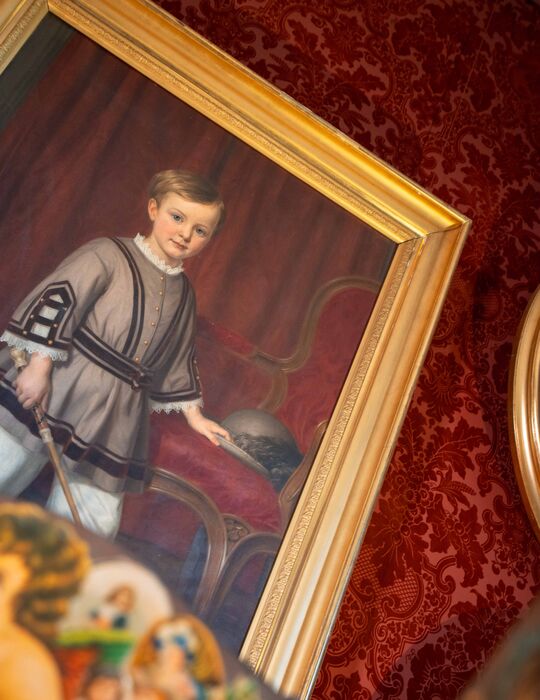
The Manor of Family & Private Life
The count’s family bedrooms and living spaces in the mid-19th century
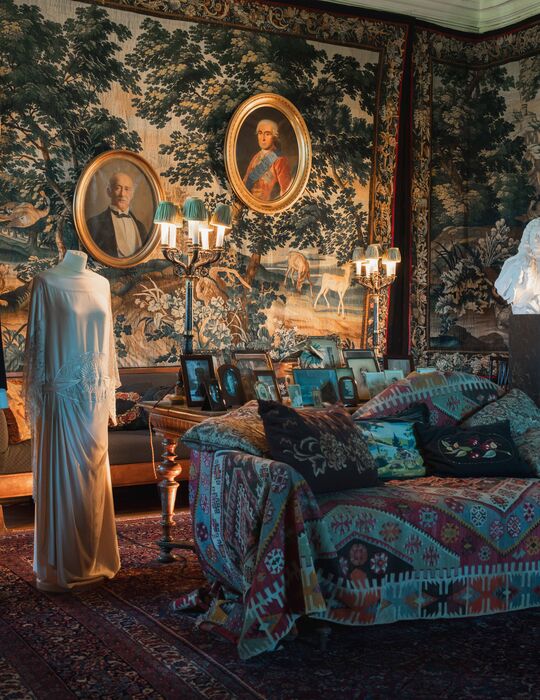
Modern Times
Old heirlooms side by side with modern conveniences in the 1920s
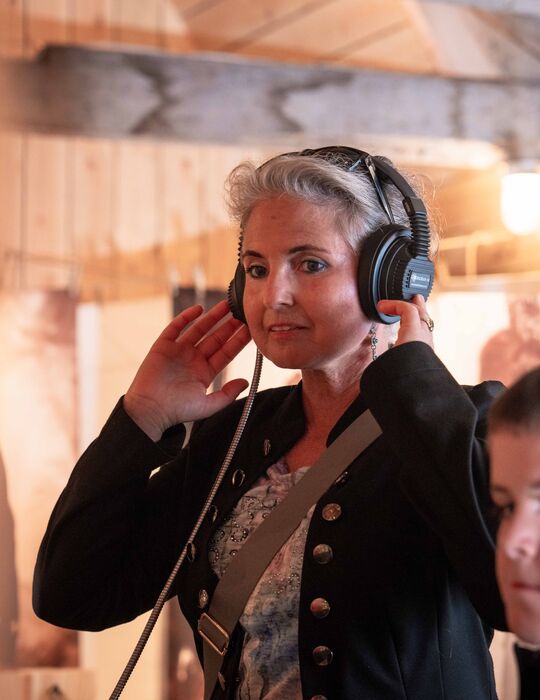
The Attic
The invisible world of the servants, drying loft and storage room
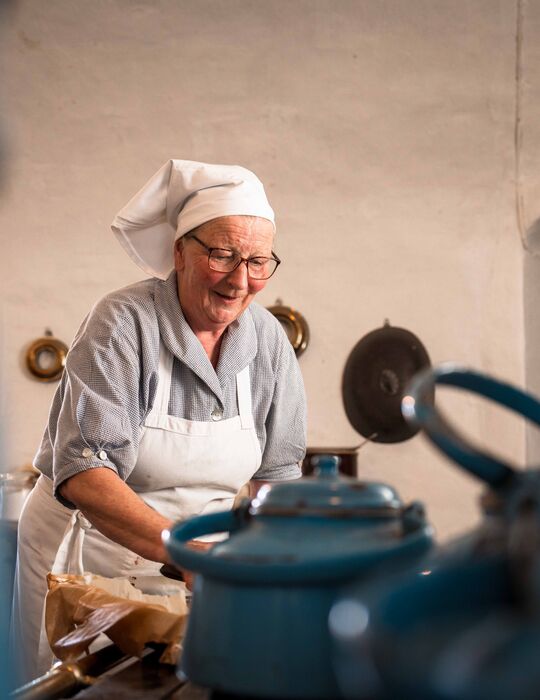
The servant’s domain
The manor kitchen and the servants’ quarters at the beginning of the 20th century
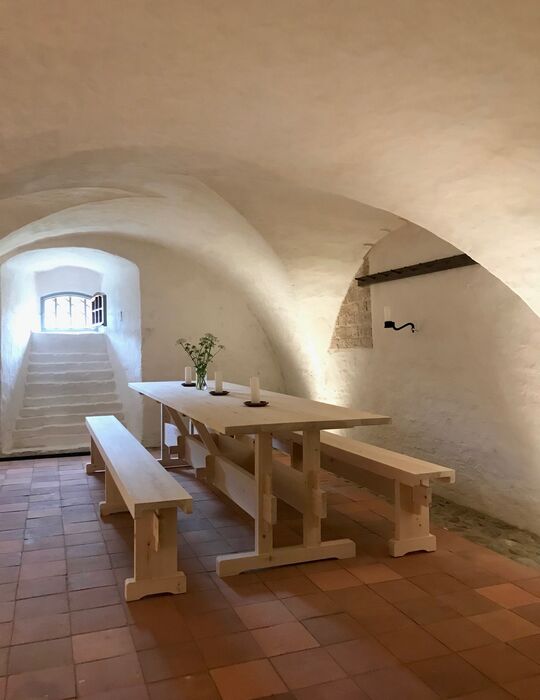
The cellar
Activity room and the servants’ hall
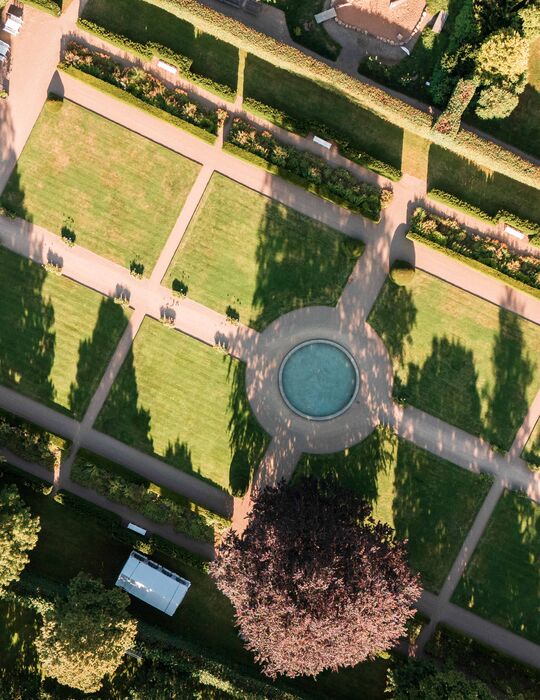
Gardens & Cultural Landscape
Magnificent Baroque garden and a complete manorial landscape
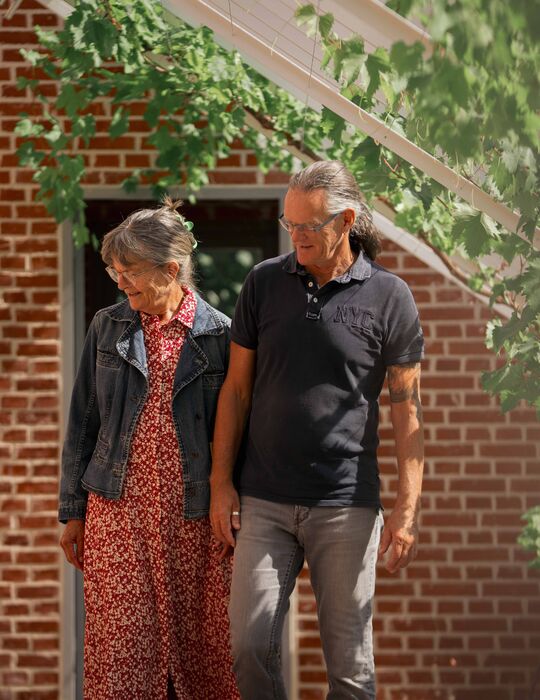
Kitchen Garden & Greenhouse
Utility gardens and the socalled 'vine and peach house'
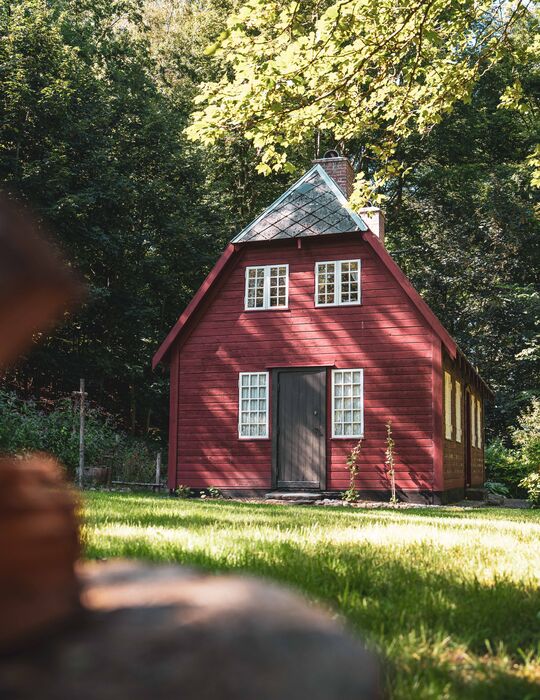
The Forester’s Cottage
Workers house, showing the lives of the forest workers in the 1930s
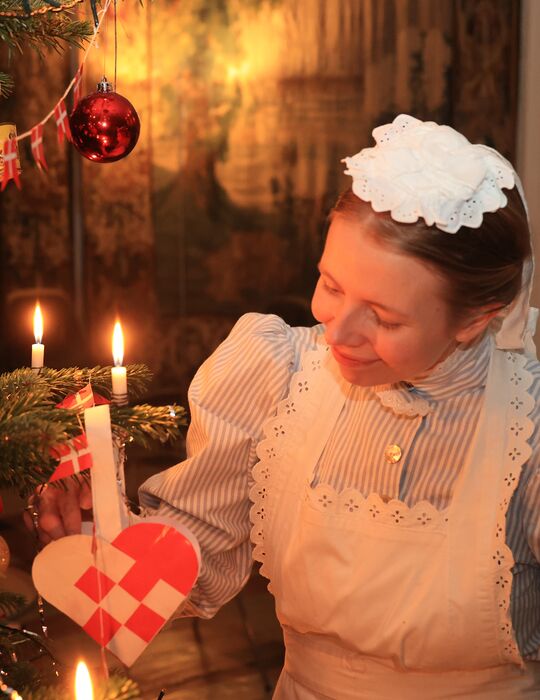
Christmas Upstairs & Downstairs
Experience Christmas at the Manor 100 Years Ago
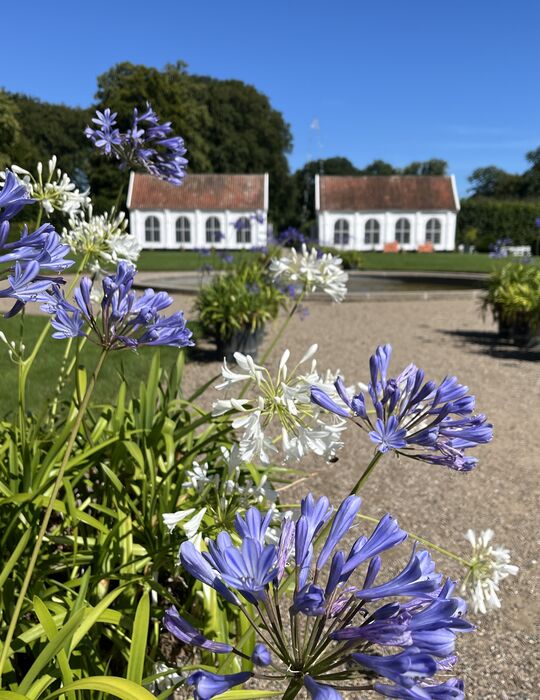
The Manor Garden
Summer Exhibition About the Manor Garden at Gammel Estrup