

A Journey Back to the Early 1900s
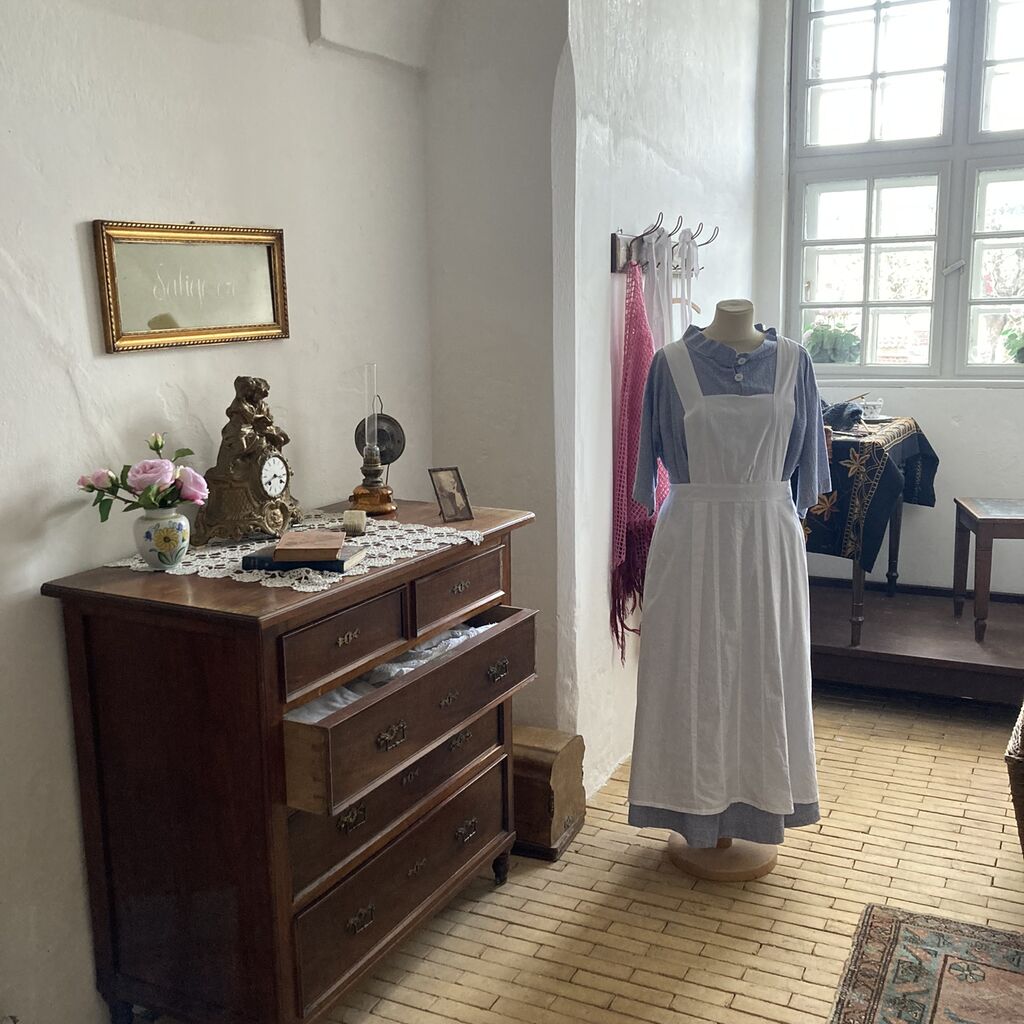
On the ground floor, with an entrance from the gateway, lie the servants’ quarters. First comes The Servants’ Hall where the servants ate their daily meals. Then there is the housekeeper’s room, neatly but sparsely furnished with a bed, a chest of drawers and only few personal effects. In the early 20th century, the housekeeper at Gammel Estrup was called Ottilie Olesen, and it is still possible today to see where she engraved her name on a pane in the chamber window.
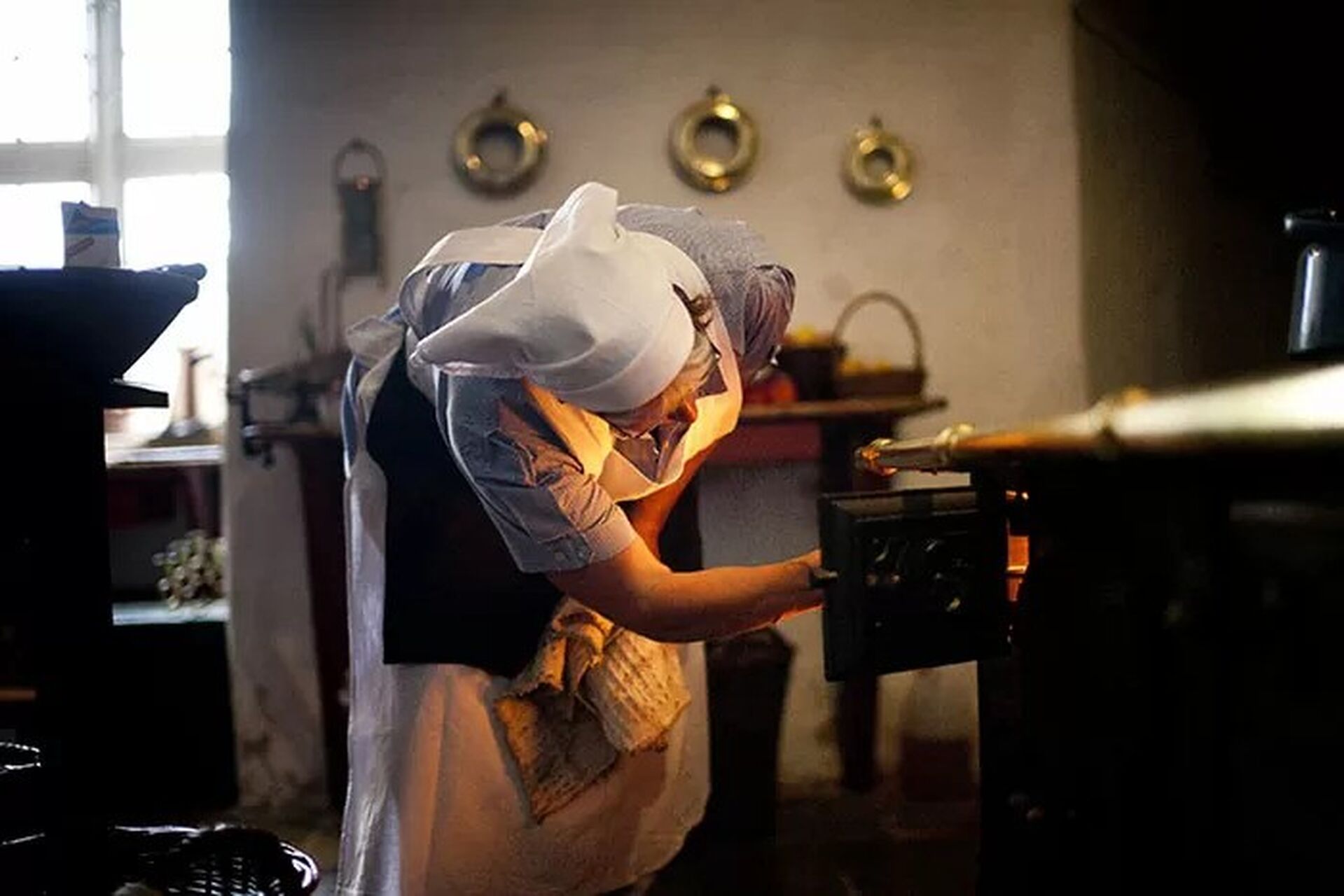
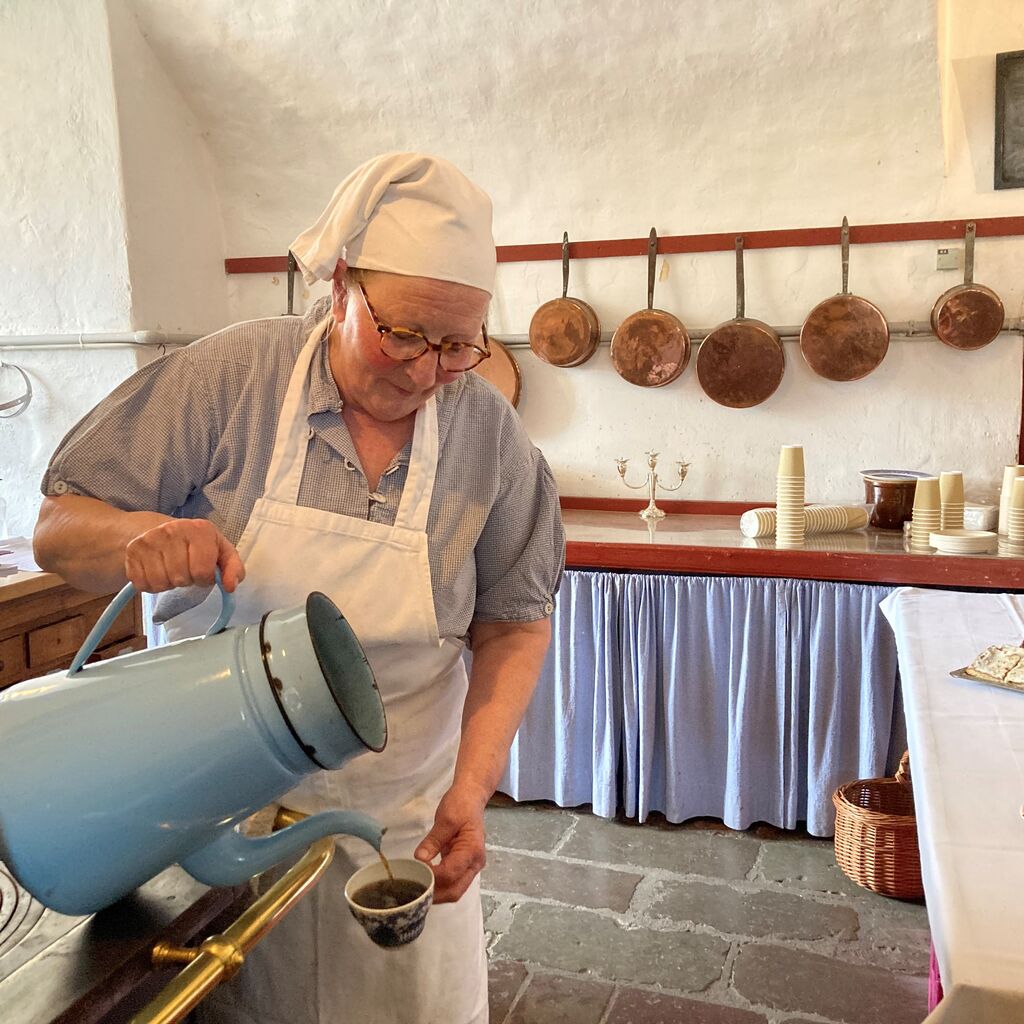
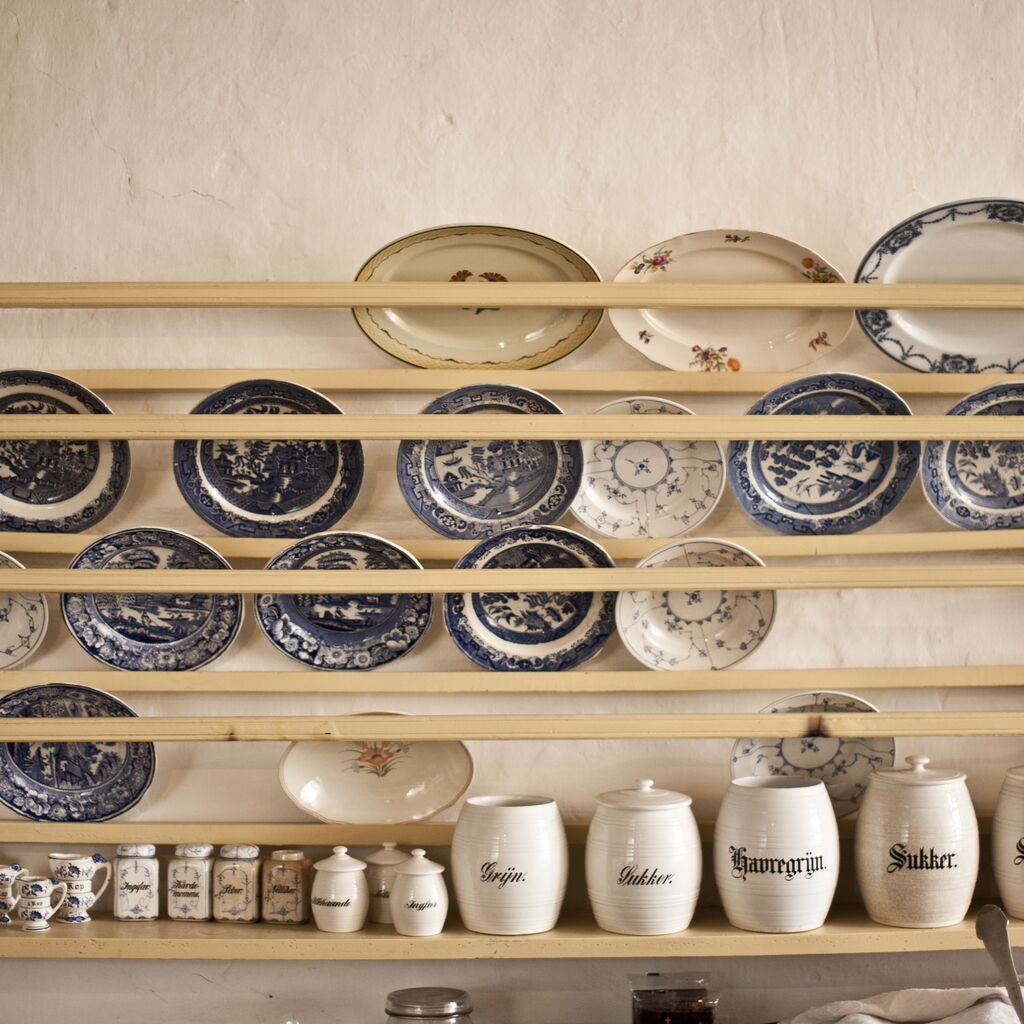
The Manor Kitchen next door is, in many ways, the heart of the building. From here, heat from the wood-fired range rises up through the rest of the house, and the smell of home baking mingles with the chatter of the kitchen maids. The kitchen is fitted out as at the beginning of the 20th century, when the last count lived at Gammel Estrup. Here, the housekeeper and her kitchen maids were responsible for cooking for the entire manor household. Their ingredients came from the farm, the forest, the lakes and the gardens around the manor and were kept in the adjoining pantry until they were prepared and cooked on the great range.
The Manor Kitchen is manned, selling coffee/tea and home-baked cakes, in all school holidays and in the period before Christmas.
The Servant’s Domain

he first room one encounters in the servants’ section is he Servants’ Hall, where the manor’s servants took their daily meals at the long table

The Housekeeper’s Chamber is neatly but sparsely furnished, with a bed, a chest of drawers, and a few personal belongings. At the beginning of the 20th century, the housekeeper at Gammel Estrup was Ottilie Olesen, and even today, one can still see where she scratched her name into the windowpane of the chamber

The manor kitchen is the heart of the house. From here, the warmth of the wood stove rises through the building, and the scent of homemade baking mingles with the chatter of the kitchen maids
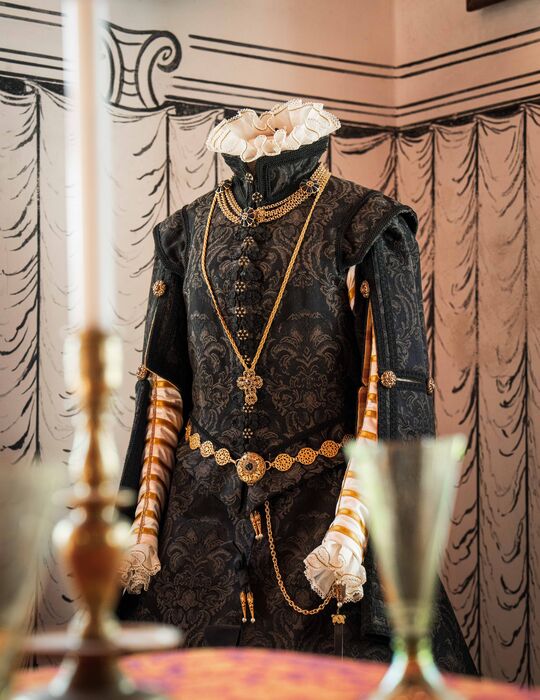
The Lord’s Manor
Renaissance nobleman Eske Brock's Parlour and manor Chapel
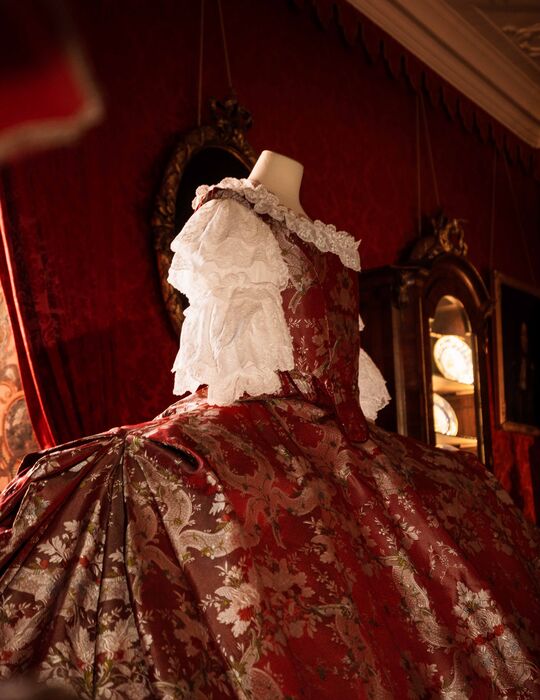
The Countess’s Elegant Rooms
The Countess's elegant Baroque interiors from the early 1700s
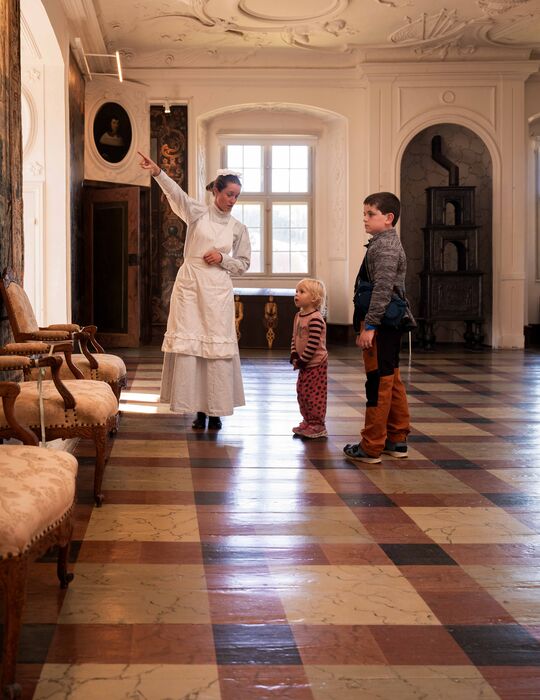
The Great Hall
The manor’s grand hall, which hosted large parties and celebrations
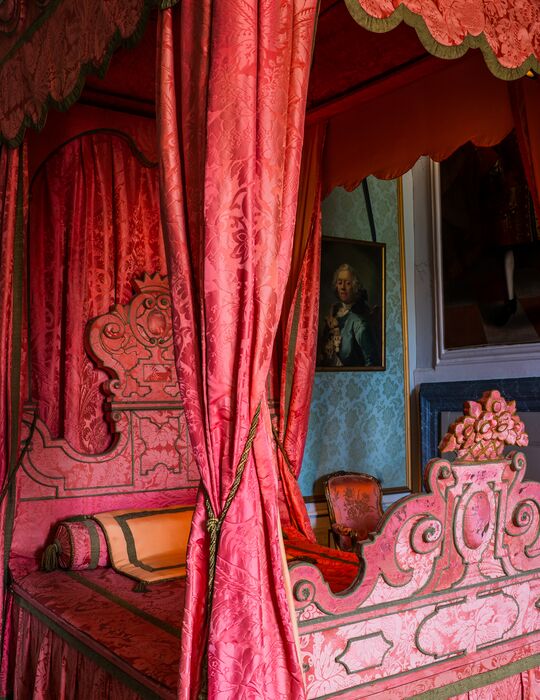
The Count’s Apartments
The Count's elegant rooms in cohesive Rococo style
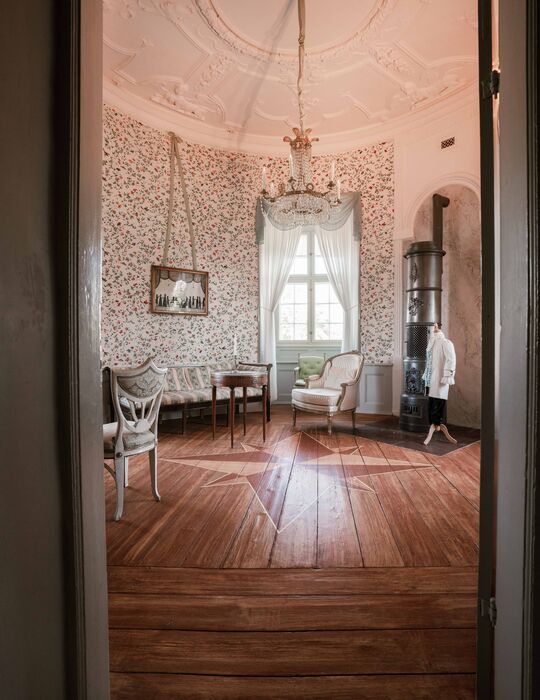
The Great Cabinet & The Count’s Roundel
Magnificent interiors from the late 18th century
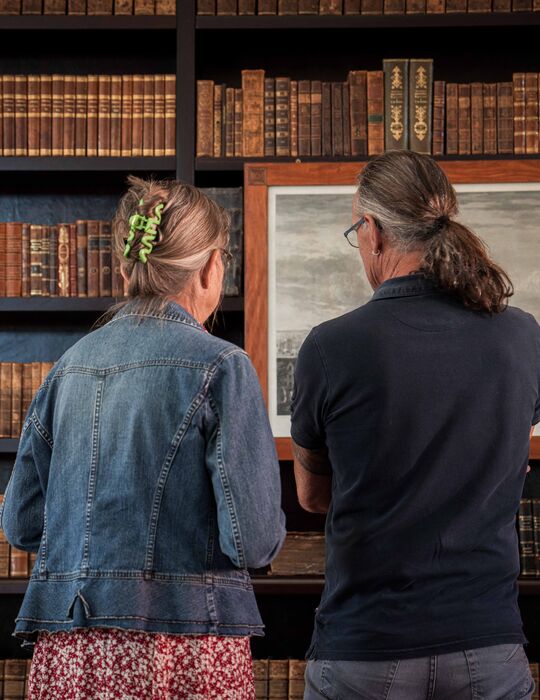
Rooms for Science & Pastimes
The Wild Count’s fabulous study and family living room
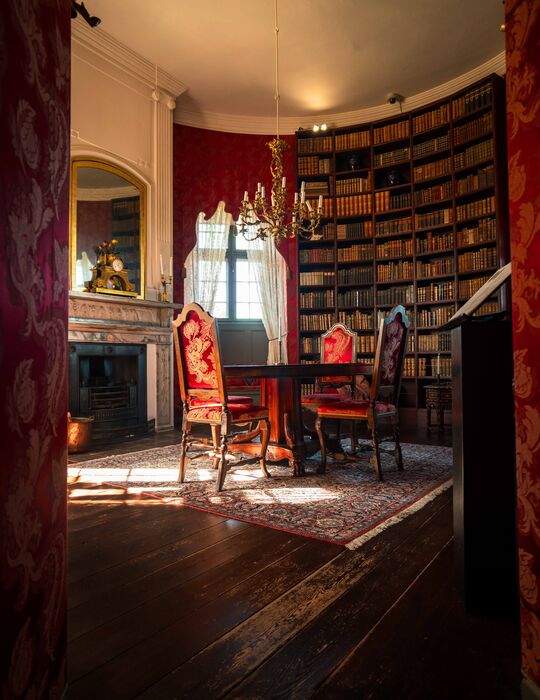
The Gentlemen’s Manor
Rooms where gentlemen relaxed with a fine cigar in the late 19th century
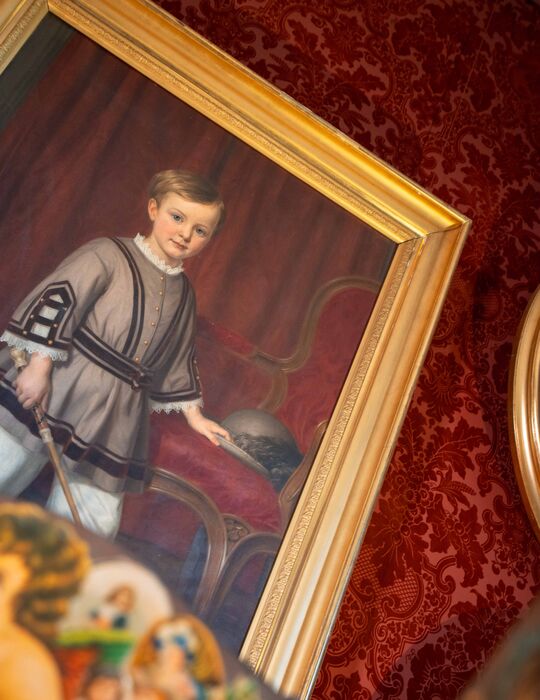
The Manor of Family & Private Life
The count’s family bedrooms and living spaces in the mid-19th century
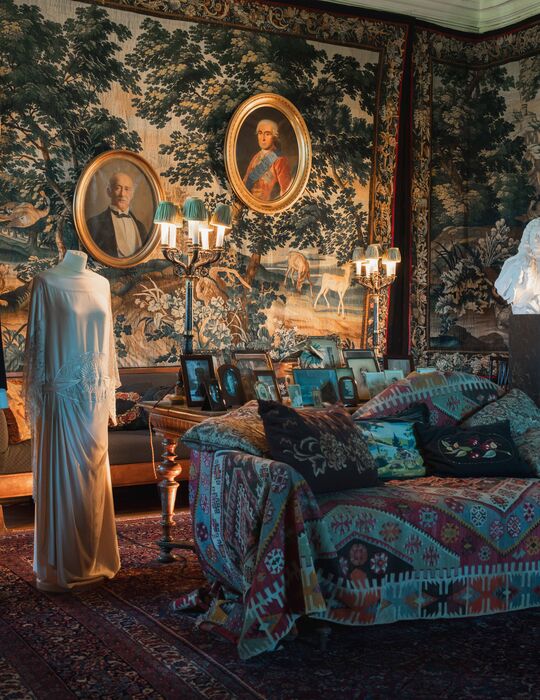
Modern Times
Old heirlooms side by side with modern conveniences in the 1920s
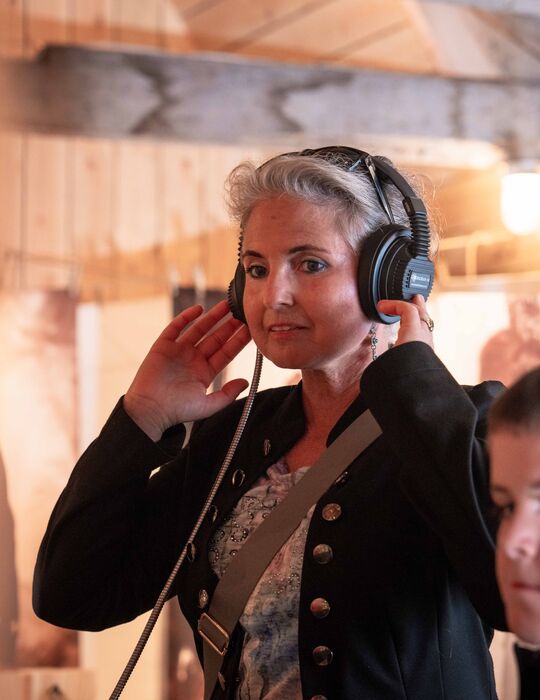
The Attic
The invisible world of the servants, drying loft and storage room
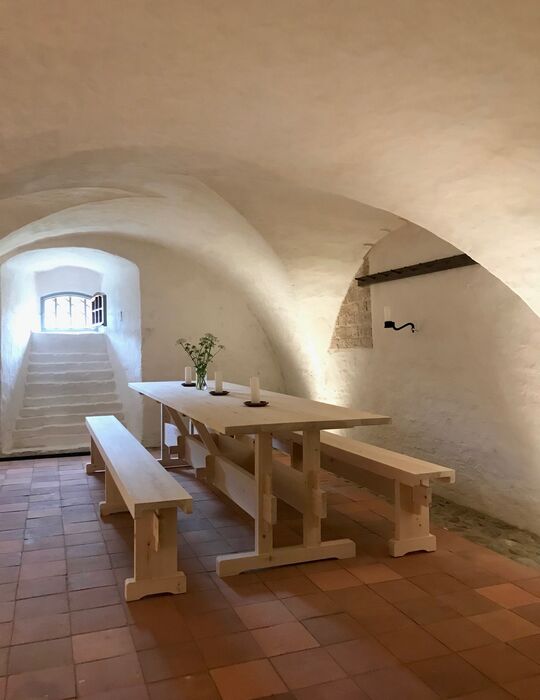
The cellar
Activity room and the servants’ hall
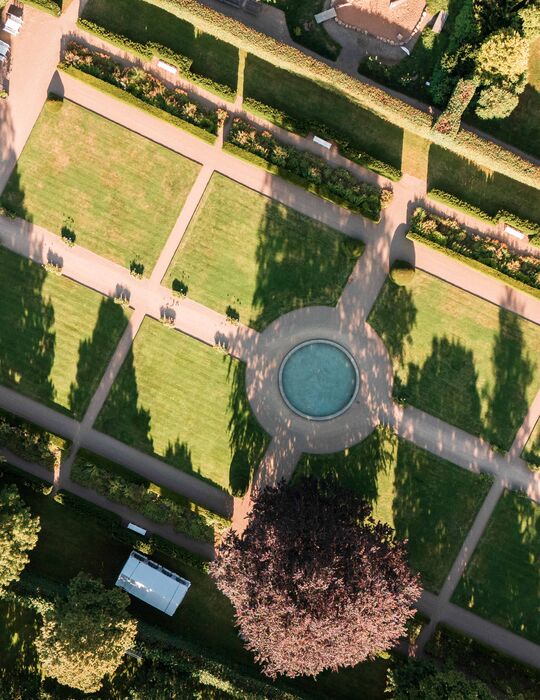
Gardens & Cultural Landscape
Magnificent Baroque garden and a complete manorial landscape
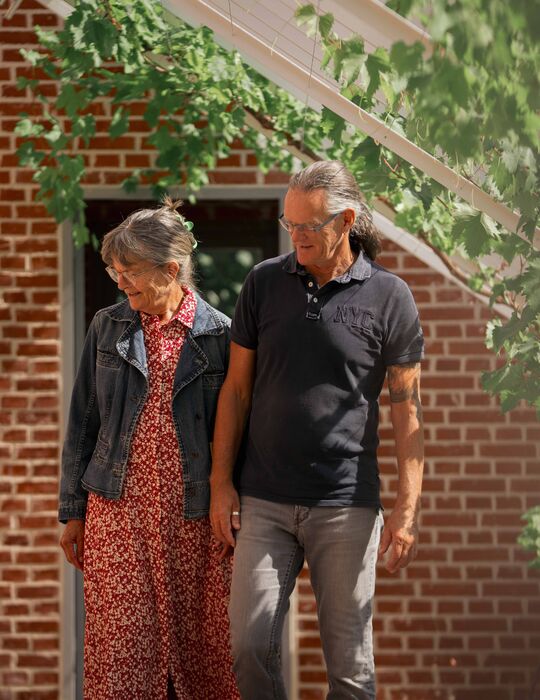
Kitchen Garden & Greenhouse
Utility gardens and the socalled 'vine and peach house'
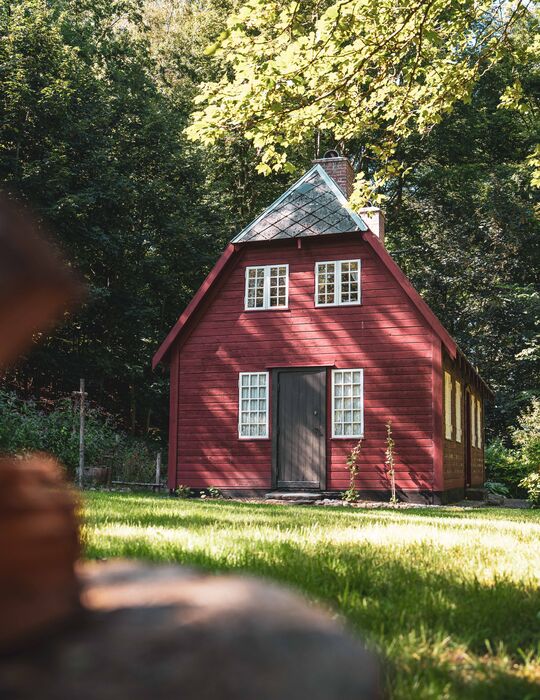
The Forester’s Cottage
Workers house, showing the lives of the forest workers in the 1930s
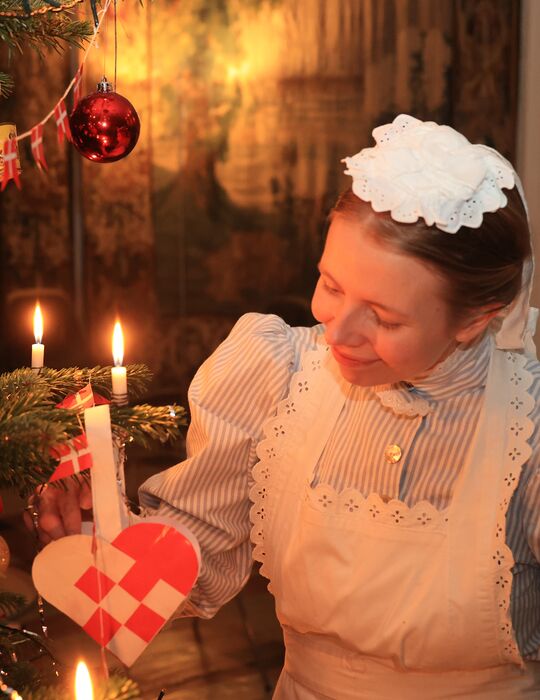
Christmas Upstairs & Downstairs
Experience Christmas at the Manor 100 Years Ago
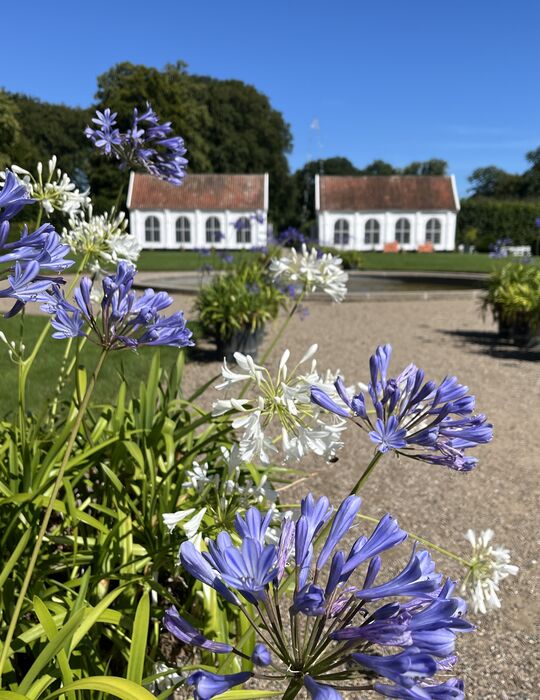
The Manor Garden
Summer Exhibition About the Manor Garden at Gammel Estrup